
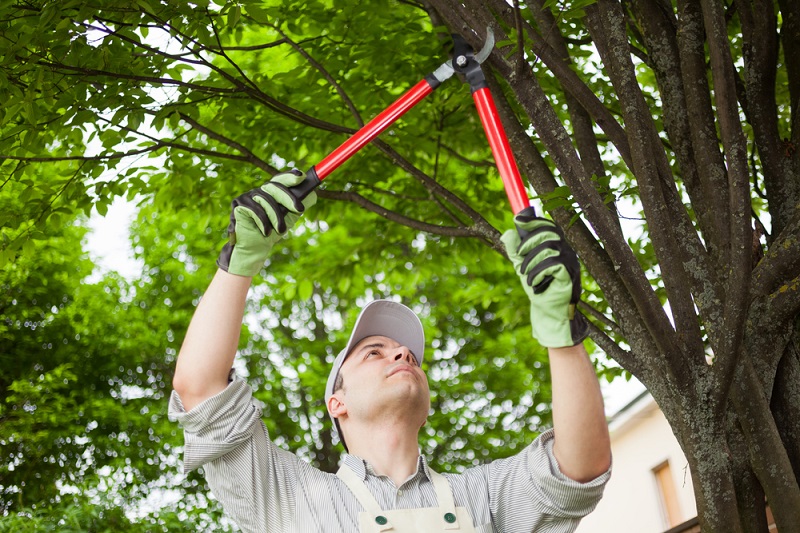
How Tree Pruning Transforms Your Yard And Boosts Property Value
Discover the Art of Tree Pruning: What You Need to Know
The Science Behind Pruning: How It Promotes Growth
Tree pruning is much more than a mere aesthetic enhancement; it is a scientifically-backed practice that plays a crucial role in promoting the overall health and vigor of trees. When properly executed, pruning encourages healthy growth patterns by allowing more sunlight to reach the inner branches and foliage, which can be particularly beneficial for trees that may be growing in dense groups. By selectively removing certain branches, you can redirect a tree’s energy towards its most vital components, thereby fostering a robust structure. Pruning initiates a physiological response where the natural growth hormones in the plant, particularly auxins, can effectively redistribute energy to allocate resources toward healthier and more productive growth. This not only enhances the vitality of the tree but also allows it to flourish in a competitive environment, enabling it to outgrow potential threats such as diseases and pests.
Timing is Everything: When is the Best Time to Prune?
Determining the optimal time for tree pruning is key to maximizing the benefits of this practice. Generally, the best time to prune most trees is during their dormant phase, typically late winter or early spring, just before the new growth begins. This timing minimizes sap loss and reduces the chances of pest infestations and disease, which can sap the vitality of freshly pruned trees. However, certain tree species might have specific requirements or optimal periods for pruning, such as flowering trees that may be pruned immediately after blooming. Conversely, summer pruning can be beneficial for controlling growth and removing dead or diseased wood that can hinder overall tree health. Understanding the unique growth patterns of each tree and observing local climate conditions are essential for effective timing, allowing property owners to maximize the benefits of professional tree pruning services.
Common Techniques: From Crown Thinning to Reductions
Tree pruning encompasses a variety of techniques, each serving distinct purposes in the context of tree health and landscape aesthetics. Crown thinning is a technique employed to selectively remove branches throughout the crown to increase light penetration and air circulation without altering the overall shape of the tree. This method can be particularly important for larger trees in densely populated areas or urban settings where light and space are at a premium. On the other hand, crown reduction involves strategically reducing the overall height or spread of a tree, which can be vital for ensuring safety in proximity to buildings or power lines. Additionally, there’s also the practice of deadheading, which involves the removal of spent flowers to encourage a bushier growth and prolong the blooming period. Each of these techniques requires a well-trained eye to ensure that cuts are made in a way that promotes healing and minimizes stress on the tree. Understanding the purpose of these various methods allows property owners to communicate effectively with their pruning services and ensure they achieve their desired outcomes.
Your Guide to Choosing the Right Tree Pruning Service in Leander
What to Look for in a Professional Pruner: Qualifications and Experience
Selecting a reliable tree pruning service in Leander extends beyond simple Google searches. It necessitates a careful assessment of qualifications and experience. A professional tree pruner should hold certifications from recognized associations, such as the International Society of Arboriculture (ISA), which indicates a proven understanding of both the science and art of tree care. In addition to certifications, experience plays a crucial role; tree pruning is a skill that benefits greatly from hands-on practice and familiarity with various tree species and local environmental factors. When looking for services in Leander, ask about their previous projects and if possible, request references. A company that has a strong reputation in the community is often a sign of reliability and professionalism. Look for service providers who have experience working with the specific tree species on your property, as different trees require different pruning techniques. Understanding the qualifications and experience of a pruning service can help ensure your trees receive the care they need.
Questions to Ask: Making Sure You’re Hiring the Best
Before sealing the deal with a tree pruning service, it is crucial to pose specific questions that can further assess their reliability and expertise. Begin by asking about their approach to tree assessment and care. What practices do they employ to ensure minimal stress to the tree during pruning? Inquire about their safety protocols, especially when dealing with large trees or trees that are near electrical lines or structures. Additionally, always ask for proof of insurance. A reputable tree service should have liability coverage and workers’ compensation to protect you in case of accidents or damage occurring during the job. Request an itemized quote that outlines costs associated with labor, equipment, and any potential follow-up services. A professional company will be transparent in their pricing and willing to answer any questions about their services. Engaging in this dialogue not only provides insights into their practices but also reveals their commitment to customer satisfaction.
Reading Reviews: How to Gauge Trustworthiness and Satisfaction
In the digital age, reading reviews has become a vital practice for assessing the quality of service providers. Online platforms like Google, Yelp, and social media are rich resources for gauging a company’s reputation. Look for reviews that mention specific experiences—successful pruning jobs, attention to customer service, and overall satisfaction levels. A diverse array of reviews can provide you with a well-rounded perspective; however, pay particular attention to patterns. Repeated mentions of the same strengths or weaknesses can be particularly telling. Moreover, consider seeking local recommendations from neighbors or community groups that have had similar tree care services. Personal endorsements often carry more weight than online reviews. An understanding of the community’s collective experiences with specific services can provide essential insight into reliability, skill, and professionalism. Utilizing reviews and personal recommendations helps create a more informed decision-making process in selecting the right service for your tree health needs.
Benefits of Professional Tree Pruning for Your Property
Enhancing Aesthetics: How Pruning Transforms Your Landscape
One of the most visible benefits of professional tree pruning is the enhancement of a property’s aesthetics. Well-maintained trees contribute significantly to the beauty and overall appeal of landscapes, augmenting curb appeal and maintaining a well-kept environment. Pruning can redefine the shape of trees, removing unsightly dead branches or those that interfere with the natural form, leading to a more harmonious integration into your landscape. Strategically pruned trees can also help showcase your property by emphasizing architectural features of your home or drawing attention to garden paths and patios. For homeowners looking to sell, the visual appeal offered by a well-pruned landscape can create an impressive first impression on potential buyers. By focusing on enhancing aesthetics, property owners not only create a peaceful and inviting space but also foster an environment that reflects pride and care in their property.
Health Benefits: Preventing Disease and Pests
Beyond aesthetics, professional tree pruning provides significant health benefits to your trees. Regular maintenance through proper pruning practices is essential in preventing diseases and minimizing pest infestations. By removing dead, diseased, or insect-infested branches, you effectively reduce the spread of pathogens that can harm healthy parts of the tree and adjacent vegetation. Additionally, excellent air circulation and light penetration achieved through selective pruning can deter the onset of fungal diseases that thrive in dark, humid conditions. Consequently, healthy trees are better equipped to resist environmental stressors and withstand damage from storms and heavy winds. Furthermore, professional arborists can spot early signs of issues that a layperson might overlook, ensuring that problems are addressed before they escalate into major health concerns. Investing in professional tree pruning translates directly into long-term health and vitality for your trees.
Increasing Property Value: The ROI of a Well-Maintained Landscape
In today’s competitive real estate market, enhancing property value is a priority for many homeowners. Investing in tree care, particularly through professional pruning services, has been shown to provide a substantial return on investment (ROI). Landscapes adorned with healthy, well-maintained trees have been cited to increase a property’s value significantly, often recouping up to 15% or more in resale value according to various studies. Moreover, well-pruned trees contribute to energy efficiency by shading your home, reducing summer cooling costs, and providing windbreaks that can lower heating expenses in winter months. The aesthetic appeal provided by neatly groomed trees adds an inviting quality that enhances livability and encourages buyer interest. Therefore, professional tree pruning not only beautifies your property but also serves as a strategic investment to bolster long-term financial gains.
Aftercare and Maintenance: Keeping Your Trees Thriving Post-Pruning
Watering and Fertilizing: Key to Recovery After Pruning
Post-pruning care is an essential component of maintaining tree health. Proper watering is particularly crucial as trees can be vulnerable to stress after pruning. Adequate hydration supports recovery, enhances root system stability, and aids in the healing of pruning wounds. It is important to monitor soil moisture and provide deep watering, especially during the warmer months, ensuring the tree has access to the necessary nutrients. In addition to watering, fertilization can significantly impact recovery and future growth. Applying a balanced fertilizer with essential nutrients supports strong, healthy regrowth, particularly in the early growing season following pruning. While it’s important to avoid over-fertilization, which can lead to excess growth that becomes hard to manage, a thoughtful application calibrated to the tree’s needs can promote lush foliage and robust development.
Monitoring Growth: Signs That Your Trees Are Flourishing
After scheduling tree pruning, monitoring its subsequent growth is critical to assessing the success of the intervention. A flourishing tree will exhibit signs of healthy regrowth, including the emergence of vigorous new shoots and bright green leaves. Healthy trees will also develop a more balanced structure and improved airflow through their canopy. On the other hand, be vigilant for any signs of distress, such as discoloration or wilting leaves, which can indicate underlying problems. Observing changes during the growing season can help property owners determine whether additional interventions or consultations with a tree care professional are necessary. Regular assessments will not only help in managing tree health but also inform any future pruning needs.
When to Schedule Follow-Up Visits: Keeping Your Landscape in Check
Establishing a routine for follow-up visits with your tree care professionals can play an integral role in maintaining a robust and vibrant landscape. Scheduling annual or biannual assessments allows professionals to evaluate the health of your trees and entice proactive measures when necessary. This regular monitoring can identify emerging concerns, whether it be pests, infections, or environmental stressors, before they become critical issues. Moreover, follow-up services can include light pruning to address any errant growth following the initial pruning, ensuring trees remain properly shaped and healthy over time. By committing to a diligent schedule of follow-ups, homeowners can maintain their trees’ beauty and vitality, further solidifying their landscape’s long-term integrity and value.
FAQ
Question: How often should trees be pruned? – The frequency of tree pruning depends on the species, age, and health of the tree, as well as its growth rate. Generally, young trees may need pruning every 1-3 years, while mature trees can be pruned every 3-5 years.
Question: What are the risks of not pruning trees? – Not pruning trees can lead to overgrowth, which can result in structural instability, increased susceptibility to diseases and pests, and potentially hazardous situations such as branch breakage during storms.
Question: Can pruning harm my tree? – If not done correctly, pruning can harm a tree by causing unnecessary stress, leaving large wounds that are slow to heal, or encouraging unhealthy growth patterns. It is essential to hire trained professionals to ensure proper techniques are utilized.
Question: Is tree pruning different for young and mature trees? – Yes, young trees often require formative pruning to establish a strong structure, while mature trees usually need maintenance pruning, focusing on removing dead or diseased branches and shaping the tree.
Question: How do I know if I need to hire a professional? – If your tree is large, has structural issues, or requires advanced pruning techniques, it is advisable to hire professionals. Their expertise ensures the health and safety of both the tree and your property.
Question: Are there any specific trees that require special pruning techniques? – Yes, certain tree species, such as oaks and maples, have specific pruning requirements, especially regarding timing and methods, to ensure they do not suffer from increased susceptibility to diseases.
Question: What equipment do professionals use for tree pruning? – Professional tree pruners typically use a variety of tools, including hand pruners, loppers, saws, and chainsaws, depending on the size of the branches they are removing and the complexity of the job.
Question: What should I look for in a tree pruning quote? – When reviewing a tree pruning quote, pay attention to the details provided, including the scope of work, methods used, estimated timelines, and any follow-up services. Transparency in pricing and procedures is crucial.
Useful Resources
