
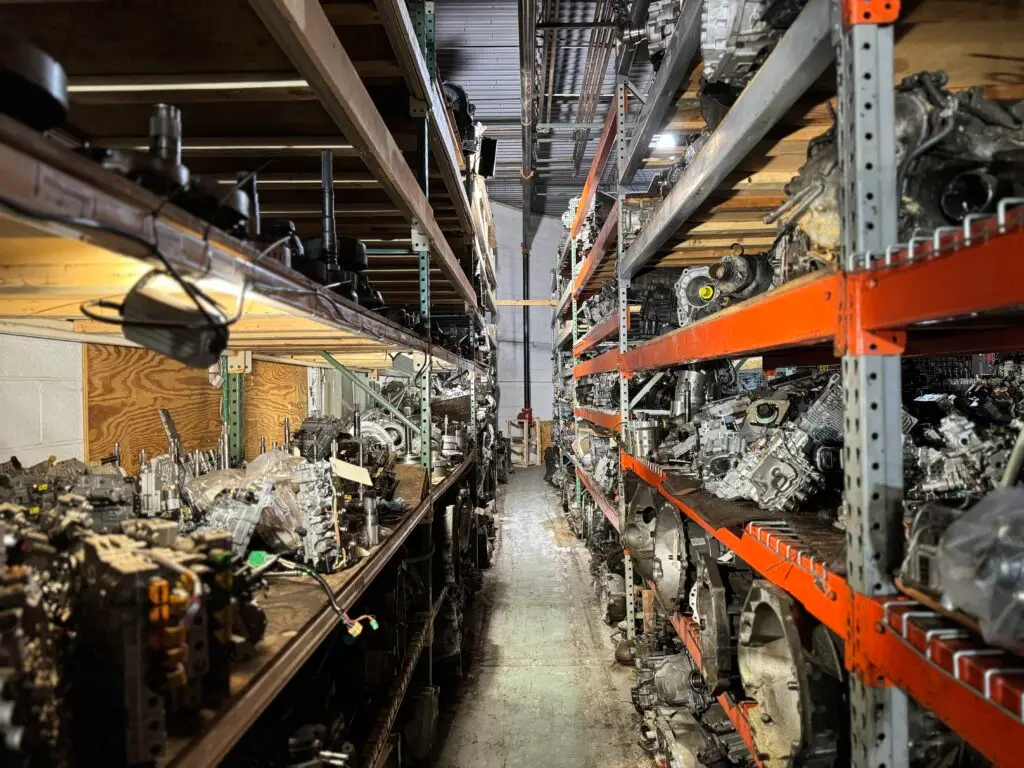
Why Remanufactured Transfer Cases Offer Unmatched Value
Key Takeaways
Remanufactured transfer cases deliver impressive cost savings, ranging from 30-50% compared to new parts. This makes them an attractive option for businesses that need to be budget-conscious.
Additionally, selecting remanufactured parts significantly cuts down energy consumption during production, with savings of 60-80% on energy compared to manufacturing new components, which is beneficial for a smaller carbon footprint.
These transfer cases undergo comprehensive testing to ensure they meet or even surpass OEM specifications, guaranteeing a level of reliability that can rival or exceed new components.
The remanufacturing process involves a series of careful steps—from core collection through rigorous testing—that ensures exceptional performance in the end product.
In the realm of fleet management, employing remanufactured transfer cases leads to reduced operational costs while preserving vehicle reliability, thus helping maintain both efficiency and budget discipline.
For DIY enthusiasts, remanufactured parts provide a way to enhance vehicle performance without breaking the bank. They foster customization and help develop tangible mechanical skills through practical restoration work.
When choosing a remanufactured transfer case, clients should check the supplier’s reputation, look for warranties, and ensure they understand the remanufacturing process. This way, they can dodge potential complications.
The Hidden Advantages of Choosing Remanufactured Transfer Cases
Cost-Efficiency: Quality Without Breaking the Bank
One significant benefit of remanufactured transfer cases is their cost-efficiency. Businesses often grapple with tight budgets while still expecting top-notch vehicle performance. Opting for remanufactured products offers substantial savings. Studies suggest that corporations can cut costs by as much as 30-50% by choosing remanufactured over new parts. Why pay more without compromising on quality?
It’s important to note that this isn’t solely about initial savings. The durability of remanufactured parts often leads to less frequent replacements, cutting costs over time—a vital factor for businesses keen on controlling expenses. In today’s financial landscape, being judicious about all available options is essential.
- Budget-friendly without compromising performance.
- Reduced labor costs due to simplified installations.
- Less frequent replacements that yield further savings over time.
Moreover, remanufactured components are built to match or even exceed the standards of new counterparts, reinforcing that cost-effective solutions can maintain high quality.
Environmental Impact: A Greener Choice for Every Vehicle
Selecting remanufactured parts transcends mere financial decision-making—it’s also an environmentally sound choice. The creation of new parts depletes considerable resources and energy while producing waste. Researchers estimate that remanufacturing can conserve 60-80% of the energy typically needed for new components. Just consider that: a straightforward decision to choose remanufactured can lead to a remarkable reduction in one’s carbon footprint.
As awareness of sustainability increases globally, businesses find themselves pressured to adopt eco-friendly practices. Choosing remanufactured transfer cases aligns seamlessly with this trend, showcasing a commitment to corporate social responsibility.
- Reduction of landfill waste through recycling.
- Lower energy consumption in production processes.
- Contributing to a sustainable future.
Performance Reliability: Why Remanufactured Outshines the Competition
When reliability is at stake, remanufactured transfer cases consistently prove their worth. They undergo extensive testing to guarantee that all functionalities meet or exceed OEM specifications. With quality control measures firmly in place, users can anticipate reliability that competes with or surpasses new parts.
Clients typically report fewer breakdowns and extended longevity when using remanufactured components. Engaging skilled professionals during the remanufacturing process further instills confidence that the parts will perform reliably.
“Investing in a remanufactured transfer case isn’t just smart—it’s a strategic move towards better reliability.”
What to Expect During the Remanufacturing Process
The Steps Behind a High-Quality Remanufactured Transfer Case
The remanufacturing process may seem intricate, but it actually follows a systematic approach. Comprehending these steps clarifies the process and allows businesses to appreciate the effort behind producing dependable parts.
- Core Collection: Worn-out or unusable components are gathered from various sources.
- Disassembly: Each part is meticulously taken apart, examined, and documented.
- Cleaning: Components are thoroughly cleaned to eliminate all contaminants.
- Reworking: Necessary repairs and replacements restore parts to original specifications.
- Testing: Final products undergo performance and quality testing against OEM standards.
This comprehensive approach guarantees that the remanufactured product is trustworthy for outstanding performance. It’s a detailed transition from a worn-out piece to a high-performance transfer case.
How Professionals Ensure Optimal Performance and Longevity
Professionals are pivotal in this process. Experienced technicians employ advanced tools and techniques to restore each transfer case to its top condition. With a wealth of industry experience, they can pinpoint potential weaknesses before they become serious issues.
Furthermore, stringent quality checks throughout various stages guarantee that every component can endure real-world conditions. Clients can therefore rest assured that their remanufactured transfer case will operate reliably across different scenarios.
- Technician expertise leads to exceptional quality.
- Thorough inspections reduce the risk of failures.
- Innovative techniques boost performance restoration.
Common Myths Debunked: Understanding the Remanufacturing Process
Dispelling myths about remanufactured parts is essential. Some skeptics may claim that these parts lack quality or durability. However, modern remanufacturing processes frequently produce components that are indistinguishable from brand-new ones.
An additional misconception suggests that remanufactured parts necessitate excessive maintenance. In reality, when installed and maintained properly, they can provide consistent performance over time. Research supports this assertion, often showing that remanufactured parts outlast their new counterparts in specific applications.
“The myth of low quality in remanufactured parts is just that—a myth.”
Real-World Applications: When to Choose Remanufactured Over New
Fleet Management: Balancing Cost and Reliability
In fleet management, striking a balance between cost and reliability is crucial. Data-driven decisions must be made. Research shows that using remanufactured parts can substantially cut operational costs while ensuring vehicle availability. Fleet managers are always on the lookout for strategies that minimize expenses but uphold reliability. Remanufactured transfer cases prove to be a perfect fit.
- Reduction in total cost of ownership.
- Extended vehicle lifespan with enhanced reliability.
- Facilitating consistent operational performance.
This powerful combination guarantees that fleets stay operational without jeopardizing budgets.
DIY Enthusiasts: Enhancing Performance with Remanufactured Choices
For DIY enthusiasts, remanufactured options present a gateway to performance upgrades. Instead of purchasing costly new components, resourceful DIYers understand the benefits of remanufactured parts that offer strong performance.
With the right knowledge, enthusiasts can leverage the reliability of remanufactured transfer cases to customize their vehicles, leading to enhancements in handling or fuel efficiency. Many appreciate this unique mix of affordability and high performance.
- Access to high-quality performance parts at lower costs.
- The ability to customize vehicles without overstretching budgets.
- Hands-on restoration work improving mechanical skills.
This journey towards performance enhancement builds not only satisfied customers but also advocates for remanufactured parts.
Case Studies: Success Stories from Satisfied Users
Real-world success stories have a powerful impact. Take for instance a logistics company that struggled with inflated costs due to recurring transfer case failures. After transitioning to remanufactured parts, they noted a sharp decrease in vehicle downtime and repair expenses—often reporting savings approaching 40% in just one year.
In another instance, a small business owner opted to upgrade her vehicle with a remanufactured transfer case, resulting in improved towing capacity and overall performance. This change also brought her peace of mind regarding vehicle reliability.
“Switching to remanufactured parts transformed our operations—better performance and cost savings all in one.”
Expert Tips for Selecting the Right Remanufactured Transfer Case
Red Flags to Watch Out For When Shopping Remanufactured
When acquiring a remanufactured transfer case, attention is key. Not every supplier maintains consistent quality throughout their processes. Common red flags can include:
- Lack of a warranty or guarantee.
- Unclear descriptions of the remanufacturing process.
- Negative feedback about product longevity.
By spotting these indicators early, clients can avert potential problems.
Essential Features to Consider for Maximum Performance
Choosing the right remanufactured transfer case requires careful consideration of several features, including:
- Compatibility with specific vehicle models.
- The quality of materials utilized in the remanufacturing process.
- Thoroughness of performance testing results.
Considering these factors helps ensure that the selected part fulfills its intended function effectively.
Building Trust: How to Choose a Reputable Supplier
Ultimately, trust is essential when sourcing a dependable remanufactured transfer case. Businesses should examine suppliers’ track records, read testimonials from past customers, and consider any industry certifications. A reputable supplier stands by their offerings and proudly exhibits integrity in their procedures.
Networking within the industry can yield valuable recommendations for reliable suppliers. Additionally, seeking opinions from fellow users reinforces confidence that a sound choice is being made.
- Investigate supplier reputations.
- Look for customer reviews and testimonials.
- Ensure transparency regarding the remanufacturing process.
Establishing trust with a supplier guarantees the acquisition of the right remanufactured transfer case, paving the way for successful collaborations.
FAQ
What types of vehicles benefit most from remanufactured transfer cases?
Vehicles that endure heavy use, such as trucks, SUVs, and fleet vehicles, typically gain the most from remanufactured transfer cases. Their durability under challenging conditions makes them ideal candidates for remanufactured components, offering both cost efficiency and reliable performance.
How does the warranty for remanufactured parts compare to new parts?
Warranties for remanufactured parts often meet or exceed those of new parts. Suppliers typically provide warranties ranging from one year to multiple years, reflecting confidence in the quality and reliability of the remanufacturing process.
Can remanufactured transfer cases be used in high-performance vehicles?
Yes, many high-performance scenarios utilize remanufactured transfer cases tailored to specific performance requirements. Clients frequently discover that these components outperform standard new parts while yielding significant savings.
What factors should be considered when choosing between a remanufactured and a new transfer case?
Key factors include cost, intended use, and performance needs. Clients typically assess their budget limitations while weighing the long-term reliability and efficiency that remanufactured components can provide.
Are there maintenance differences between remanufactured and new transfer cases?
Maintenance for both remanufactured and new transfer cases is generally similar. Proper installation and regular check-ups are vital, regardless of whether a transfer case is new or remanufactured, to promote optimal longevity and function.
How can businesses track the environmental benefits of using remanufactured parts?
Businesses can monitor environmental advantages by analyzing metrics such as energy savings and waste reduction. Many organizations quantify their carbon footprints and provide evidence of improvements achieved through the integration of remanufactured parts into their operations, showcasing a commitment to sustainability.
What certifications should a reputable remanufactured supplier have?
Reputable suppliers generally possess industry-standard certifications that demonstrate adherence to quality and performance benchmarks. Certifications like ISO 9001 indicate that a supplier maintains rigorous quality control standards throughout the remanufacturing process.
Can the remanufacturing process be customized based on specific vehicle needs?
Absolutely. The remanufacturing process is flexible enough to accommodate specific vehicle requirements. Clients often collaborate with suppliers to ensure that performance characteristics align with their unique specifications, enhancing both compatibility and efficiency of the transfer cases utilized.
Useful Resources
- SAE International– A professional association for engineers in the automotive and aerospace sectors, providing valuable technical resources and publications.
- National Association for Sustainable Automotive Engineering– Shares information and standards on sustainable automotive engineering practices.
- Automotive Service Association (ASA)– Offers resources related to automotive service and repair, including best practices for remanufactured parts.
- Insurance Institute for Highway Safety (IIHS)– Provides information on vehicle safety and performance testing, including data relevant to remanufactured parts.
- American Dental Association– Primarily focused on dental care, this organization demonstrates how professional groups maintain standards, applicable across numerous fields including automotive.
- S. Environmental Protection Agency (EPA)– Presents resources and guidelines addressing the environmental impact of manufacturing processes, including remanufacturing operations.
- International Organization for Standardization (ISO)– Supplies international standards, including those relevant to quality management within remanufacturing practices.
- American Medical Association– Although primarily focused on medical practices, their methods for ensuring product quality and dependability can shed light on standards applicable in the automotive world.
- McKinsey & Company– This management consulting firm provides research and insights on economic trends, including cost benefits associated with remanufacturing across different industries.
