
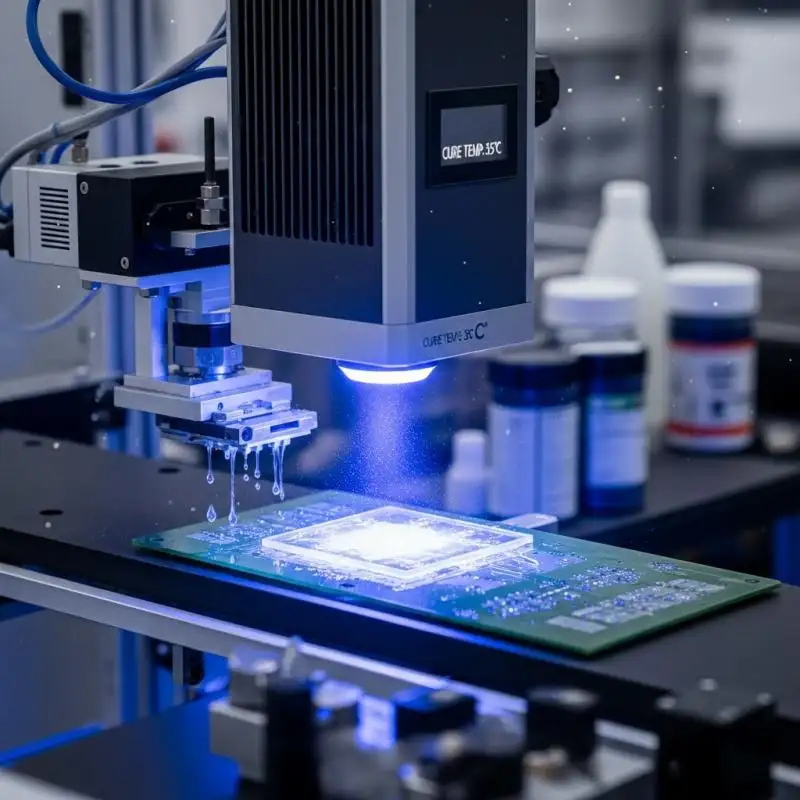
Why Fusion UV Systems Are Essential For Modern Curing Applications
Key Takeaways
Fusion UV systems apply microwave-powered technology for fast curing processes, allowing for greater efficiency and cutting energy costs by as much as 50% when compared to conventional models.
This advanced technology ensures uniform energy distribution, which helps minimize hotspots and enhances both productivity and quality across various curing applications.
Fusion UV systems are remarkably versatile, suitable for diverse industries like automotive, printing, packaging, and electronics, thereby substantially boosting operational performance.
By using UV light to trigger a photochemical reaction, materials can be cured in mere seconds. This reduces heat exposure, which lowers the risk of thermal damage to substrates.
Companies adopting fusion UV systems can see significant improvements in production speed and quality, leading to better timelines and increased client satisfaction.
Long-term financial benefits from fusion UV systems arise not only from the lower energy costs but also from reduced maintenance requirements; these systems have a longer lifespan and need fewer bulb replacements.
Making the switch to fusion UV systems involves strategic planning, comprehensive employee training, and a phased implementation strategy to reduce disruptions and ensure successful integration of new technologies.
Revolutionizing Curing Technologies: How Fusion UV Systems Stand Out
Microwave-Powered UV Technology: A Game Changer in Efficiency
Take a moment to reflect: traditional UV curing systems often demand high energy inputs and lengthy curing durations. Here’s where fusion UV systems come into play with microwave-powered technology. This novel approach changes the game entirely. Leveraging microwave energy, these systems facilitate rapid curing processes, which translates to efficiency and lower energy consumption. Experts agree that this groundbreaking technology can slash energy costs by as much as 50% compared to older models.
The efficiency of this technology arises from its unique capacity to deliver high-intensity UV energy precisely where required. Consequently, the curing area enjoys uniform energy distribution, effectively minimizing the hotspots typical in traditional systems. This advancement results in a substantial improvement in both productivity and quality.
Applications Across Industries: Where Fusion UV Systems Shine
In manufacturing and production, versatility truly matters. Fusion UV systems have applications in a wide range of sectors, from automotive to pharmaceuticals. Imagine a printing company that eliminates delays and reworks, all while noticeably improving adhesion and finish quality. The role of fusion UV systems goes beyond functionality; they exemplify adaptability and precision.
- Printing and Coatings: Quick drying of inks and coatings.
- Automotive: Curing adhesives and finishing surfaces.
- Packaging: Enhancing durability and shelf life.
- Electronics: Validating adhesive curing for circuit boards.
These fusion UV systems aren’t a one-size-fits-all answer. They can be customized to fit specific processes, allowing for improved performance. Whether it’s about ramping up throughput or boosting environmental responsibility, these systems clearly demonstrate their ability to deliver tangible results.
Understanding the Science Behind UV Curing
The Role of UV Light in the Curing Process
Grasping the intricacies of the curing process is vital for industry professionals. In this framework, UV light plays a pivotal role. It initiates a photochemical reaction, converting liquid resins into solid materials. This isn’t simply about flipping a switch; it’s about creating chemical bonds that bolster strength and longevity.
As UV light interacts with the coating material, it activates photoinitiators that generate free radicals. These radicals kick off a polymerization process, resulting in rapid curing. This entire transformation occurs within seconds, which stands in stark contrast to traditional thermal curing techniques, often demanding minutes or even hours. The added benefit? This quick process significantly lowers the risk of thermal damage to substrates.
Comparing Traditional vs. Microwave-Powered Systems
Examining traditional UV systems reveals a common issue: they tend to lag behind in speed and efficiency. Conventional systems primarily utilize arc lamps to produce UV light. While functional, these methods require considerable maintenance and consume a large amount of energy. One must wonder — can these older techniques meet the fast-paced, sustainability-driven market demands?
“The need for energy-efficient and high-speed solutions has never been greater.” – Industry Expert
On the other hand, microwave-powered systems stand out by offering consistent and concentrated UV output with considerably less energy wastage. Professionals frequently point out that with reduced bulb replacements, maintenance costs drop significantly, saving businesses both time and money.
- Speed: Microwave systems can cure in seconds.
- Energy Use: Up to 50% less than traditional lamps.
- Longevity: Longer operational life with fewer replacements.
Essentially, progressing forward is crucial. Firms that transition to fusion UV systems are preparing for future demands, underlining the importance of embracing innovative technologies.
Key Benefits of Integrating Fusion UV Systems in Production
Maximizing Output: Speed and Quality in Curing
One of the standout benefits offered by fusion UV systems is the ability to maximize production output. Businesses don’t just enjoy higher speeds; the quality of the products improves as well. It’s a dual advantage. Faster curing leads to shorter production runs, resulting in improved timelines and happier clients.
Production managers often observe that reduced cure times facilitate better handling and secondary processes. This is particularly crucial in sectors where timing is vital. For instance, a packaging company can move swiftly through its workflow while maintaining product integrity. Such efficiency is hard to overlook.
Fast-tracking production doesn’t have to come at the expense of quality. Fusion UV systems excel at providing consistent outcomes, which is essential for keeping customer satisfaction and loyalty intact. Clients can be assured their products will meet rigorous quality benchmarks while benefiting from optimized operations.
Cost Efficiency: Long-Term Savings and Sustainability
Now, let’s dive into finances. While many businesses discuss initial costs, fusion UV systems deliver long-term financial benefits that are difficult to surpass. Take energy efficiency, for example. Lower energy bills can result in substantial savings over time. And that’s not all.
The durability of microwave-powered systems means companies incur fewer maintenance expenses and parts replacements. With less frequent repairs, unplanned downtime is reduced, enabling organizations to maintain smoother and more predictable operations. In today’s fast-paced market, that predictability can offer a competitive edge.
- Reduced Energy Costs: Significant savings throughout the lifetime of the system.
- Lower Maintenance: Fewer replacements lead to decreased downtime.
- Sustainability: Environmentally friendly by minimizing waste and energy use.
Implementing Fusion UV Systems: What Businesses Need to Know
Steps for a Smooth Transition to UV Curing
Shifting to fusion UV systems demands thoughtful planning, but the rewards are substantial. The first step involves a comprehensive assessment of current production processes. Identifying existing bottlenecks is essential. Then, it’s about selecting the right fusion UV system tailored for specific applications.
Training employees also becomes a crucial aspect. Workers must feel confident and informed about operating the new systems. Well-structured training sessions enhance confidence and minimize errors that could compromise production quality. It’s notable how a knowledgeable team can significantly impact operations.
- Assess current curing processes.
- Identify application-specific needs.
- Select the appropriate fusion UV system.
- Facilitate staff training sessions.
- Implement the system and monitor performance.
An incremental approach often yields positive outcomes. Gradually integrating the new technology helps ensure a smoother transition, reducing disruptions within existing workflows.
Future-Proofing Operations with Innovative Curing Solutions
In the long run, companies that integrate fusion UV systems aren’t just responding to present demands; they’re anticipating future trends within the industry. As sustainability and efficiency become increasingly central, fusion UV systems position businesses to lead rather than follow. They represent a forward-looking strategy in production.
As technology evolves, establishing a robust mechanism is vital for adaptation. Future advancements—whether in materials or processes—can be met with confidence when an adaptable curing system is already in place. Organizations that embrace a proactive stance will find themselves at the forefront of their respective sectors.
Investing in fusion UV systems isn’t merely a selection; it’s a tactical move. Clients position themselves not only as efficiency leaders but also as champions of innovation and sustainability. Embrace the future of curing and unlock a multitude of advantages that could redefine a business’s path forward.
FAQ
What factors should businesses consider when selecting a fusion UV system?
Businesses ought to evaluate production volume needs, material compatibility, and the desired curing speed. It’s essential to assess how the features of the system align with existing workflows and any potential future requirements.
Are fusion UV systems environmentally friendly?
Definitely. These systems dramatically cut energy consumption when compared to traditional UV technologies, helping to lower the carbon footprint. Additionally, their longer lifecycle and fewer required replacements reduce waste, making them a more sustainable choice for organizations.
How does staff training impact the success of implementing a fusion UV system?
Thorough staff training boosts employee confidence and decreases the likelihood of errors during operation. A well-informed team plays a crucial role in maximizing the system’s capabilities and maintaining high production quality during the transition.
Can fusion UV systems be integrated into existing production lines?
Certainly. With careful planning, existing production setups can often be adjusted to include fusion UV systems. Evaluating workflows and pinpointing integration opportunities allows for a seamless transition without significant downtime.
What are some real-world examples of industries benefiting from fusion UV technology?
Industries such as automotive, printing, and electronics are successfully leveraging fusion UV systems for their rapidity and precision. For example, automotive manufacturers utilize these systems for efficient adhesive curing, ensuring quicker assembly processes without sacrificing bond integrity.
How do fusion UV systems compare on maintenance with traditional systems?
Generally, fusion UV systems demand less frequent maintenance largely due to their more durable components. With fewer bulb replacements required, organizations notice diminished downtime and reduced operational costs over time.
What role do energy costs play in the decision to invest in fusion UV technology?
Energy costs carry substantial weight in the equation, as fusion UV systems can reduce energy use by up to 50%. This not only leads to immediate monetary savings but also promises long-term financial advantages through enhanced operational efficiency.
How can companies prepare for the future with fusion UV systems?
By adopting fusion UV systems, companies place themselves at the forefront of industry advancements. These systems not only enhance current production capabilities but also provide the flexibility needed to adapt to future innovations in materials and processes.
Useful Resources
- UV Technology – Educational insights on UV curing technologies
- Printing Industries of America – Resource for printing technologies including UV methods
- Adhesive and Sealant Council – Information on adhesives curing processes and technologies
- FilmTech – Resources on films and coatings in manufacturing and curing processes
- ScienceDirect – Research articles and papers on UV curing and photochemistry
- UV Curing Conference – A platform for learning and networking in the UV curing community
- Technology Student – Educational resources on technology applications including manufacturing processes
- KHL Group – News and insights on the latest technology trends in various industries
previous post
