
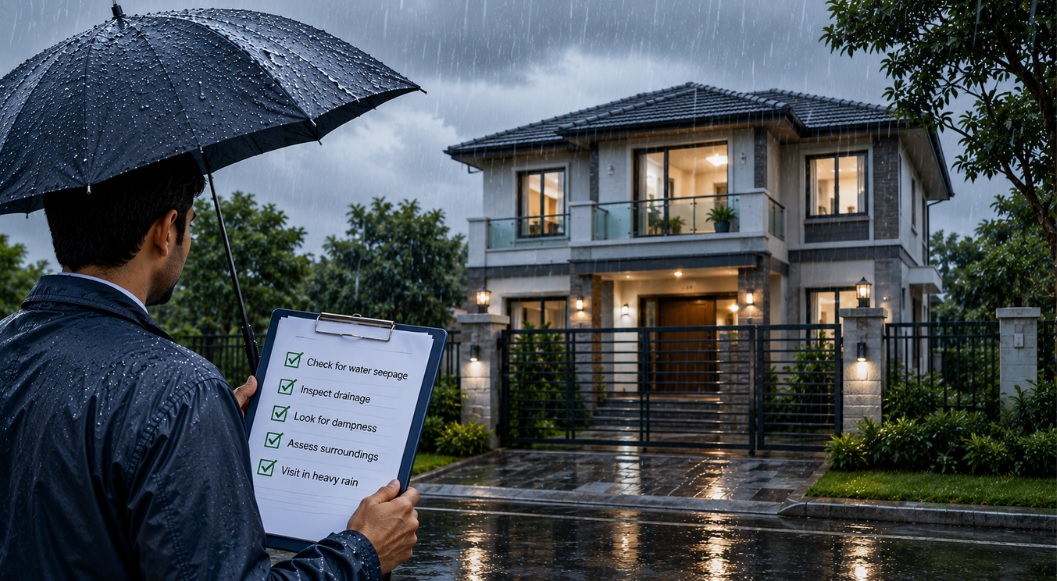
Rain, Heat and Humidity: What Singapore’s Tropical Climate Means for Choosing a Home
A property can look perfect during a sunny viewing, but what happens when heavy rain arrives, afternoon heat builds up, or humidity makes indoor spaces feel uncomfortable? Singapore’s tropical climate affects far more than what residents wear each day. It can influence electricity bills, laundry routines, furniture maintenance, balcony usability, and the long-term condition of a home.
For property buyers, these details deserve attention before signing a purchase agreement. A beautifully presented apartment may still require careful management of ventilation, sunlight, moisture, and indoor temperature. Similarly, a home that receives abundant natural light may feel pleasant in the morning but become warmer later in the day, depending on its orientation and surrounding buildings.
Understanding how weather interacts with residential design can help homeowners make more practical decisions. Instead of treating climate as a background consideration, buyers can use it to assess comfort, maintenance requirements, and the suitability of a property for everyday living.
Singapore’s Weather Changes How Homes Are Used
Singapore experiences a warm, humid climate throughout the year, with rainfall occurring in different patterns across the seasons. Although temperatures do not change as dramatically as they do in countries with four distinct seasons, the combination of heat, humidity, sunshine, and sudden downpours can significantly influence indoor comfort.
For example, residents may prefer to dry laundry indoors during wet periods, making ventilation and available drying space especially useful. Rooms exposed to strong afternoon sunlight may require curtains or blinds to reduce glare and heat. Areas that remain damp can also require more attention to cleaning and moisture control.
These conditions affect different households in different ways.
Someone who spends most of the day at an office may have fewer concerns about daytime indoor temperatures. A remote worker, however, may spend several consecutive hours in the same room and place greater importance on airflow, glare control, and cooling costs.
Families with young children may need comfortable indoor areas for play during rainy weather, while older residents may place greater emphasis on temperature management and convenient access to sheltered routes.
The lesson is simple: a home should be assessed according to how its design performs under the conditions residents are likely to experience throughout the year.
Linktown Residences: Assessing Sunlight and Ventilation Before Buying
When researching Linktown Residences, prospective buyers can examine how the verified layout and orientation of a specific unit may affect indoor comfort in Singapore’s climate.
Begin by checking which directions the main windows and other openings face. Orientation alone does not determine temperature, but it can help buyers understand potential patterns of direct sunlight. The surrounding buildings, window design, shading, and room layout also influence how much heat enters the home.
If possible, visit the property at different times of day. A room that feels comfortable during a morning appointment may experience stronger sunlight later in the afternoon. Pay attention to glare on screens, the brightness of bedrooms, and whether curtains or blinds may be needed.
Ventilation deserves equal attention. Where windows can be opened, consider how air might move through the unit and whether the layout allows effective airflow. Actual ventilation depends on opening positions, external wind conditions, surrounding obstructions, and other building characteristics.
Buyers should also verify which fittings and cooling systems are included rather than assuming that every unit has identical specifications.
A practical viewing checklist includes:
- Observe direct sunlight and glare at different times of day.
- Check whether windows and ventilation openings are accessible and functional.
- Look for signs of moisture damage, staining, or persistent musty odours.
- Consider where laundry could be dried during wet weather.
- Assess whether curtains, blinds, or other practical additions may be necessary.
- Review the likely cost of cooling the rooms that will be used most frequently.
These checks help buyers identify potential comfort issues before committing to a purchase.
The Afternoon Sun: Bright Rooms Can Come With Extra Heat
Natural light can make an apartment feel open, cheerful, and welcoming. It can also reduce the need for artificial lighting during daylight hours. However, direct sunlight entering a room may increase indoor temperatures, particularly when the sun reaches windows for extended periods.
The effect depends on several factors, including window size, glazing, orientation, external shading, and the design of the surrounding buildings. Two apartments facing similar directions may therefore experience different conditions.
Buyers should consider how each room will be used. A bedroom that receives intense late-afternoon sunlight may become uncomfortable near bedtime if it retains heat. A living room used mainly in the evening may have different requirements from a home office occupied throughout the afternoon.
There are several ways to manage sunlight without undertaking major renovations:
- Use curtains or blinds suited to the room’s exposure.
- Position desks and screens to reduce glare.
- Avoid placing heat-sensitive items in areas that receive prolonged direct sunlight.
- Use external shading only where permitted and appropriate.
- Consider energy-efficient cooling options when necessary.
The aim is not to avoid sunlight altogether. Instead, it is to balance brightness with thermal comfort.
When viewing a property, buyers should also remember that weather conditions on a single day may not reflect the full experience throughout the year. Asking questions about the unit’s orientation and reviewing its actual layout can provide a more useful starting point.
Why Humidity Matters More Than Many Buyers Expect
Humidity is a familiar part of life in Singapore, but its effects on household maintenance are easy to underestimate.
Moisture can contribute to mould growth when surfaces remain damp and ventilation is inadequate. Bathrooms, kitchens, wardrobes against poorly ventilated walls, and areas affected by leaks deserve particular attention.
Clothing and bedding may also take longer to dry during wet periods. Residents who store items in tightly packed cupboards can find that limited airflow makes moisture management more difficult.
During a property viewing, look for signs that warrant further investigation, such as unexplained staining, peeling paint, damaged cabinetry, or persistent musty smells. These signs do not automatically indicate a serious defect, but they should not be ignored.
Homeowners can reduce moisture-related problems through consistent habits:
- Use bathroom exhaust fans where provided and maintain them appropriately.
- Keep wet areas clean and allow surfaces to dry after use.
- Avoid blocking ventilation openings.
- Leave sufficient space around stored clothing and other moisture-sensitive items.
- Investigate leaks and persistent dampness promptly.
- Use a dehumidifier when conditions justify it, while considering electricity consumption.
Air-conditioning can help control indoor humidity in some circumstances, but it should not be treated as a substitute for resolving leaks or inadequate ventilation.
Good moisture management protects household belongings and helps maintain a more comfortable living environment.
Lentor Signature: Considering Rainy-Day Convenience
For buyers researching Lentor Signature, Singapore’s rainfall patterns provide another reason to examine the surroundings as carefully as the residential unit itself.
A neighbourhood that seems convenient in dry weather may feel less accessible during heavy rain if commonly used routes are exposed, crossings are difficult, or essential destinations require a long walk without shelter.
Buyers should investigate the actual routes to public transport, grocery shops, dining options, and other destinations they expect to visit regularly. Check whether sheltered walkways are available along the relevant sections rather than assuming that a short distance automatically means a comfortable journey.
The experience of reaching a transport station can be particularly important for commuters. Even when a station is relatively close, the practical journey may depend on crossings, gradients, pedestrian access, and the extent of weather protection.
Inside the home, consider how wet umbrellas, shoes, and raincoats would be stored without making the entrance area inconvenient. Households that frequently wash clothing may also benefit from thinking about drying arrangements during extended periods of rain.
Any claims about specific sheltered connections or nearby facilities should be verified using current maps and on-site observation.
By assessing both the home and its everyday routes, prospective buyers can understand how weather might influence convenience throughout the year.
Laundry, Cleaning and Other Everyday Challenges
Singapore’s weather can make ordinary household tasks more complicated than they first appear.
Laundry is a common example. Clothes may dry relatively quickly in suitable conditions, but prolonged rain and high humidity can make indoor drying necessary. A household that washes clothing frequently may therefore need enough space to hang items without obstructing movement.
Cleaning routines can also change with the weather. Wet footwear may bring dirt into the home, while condensation or moisture around certain surfaces may require additional attention. Residents who keep indoor plants should consider watering carefully to avoid leaving excess moisture around floors and furniture.
Balcony use requires practical judgement too. Outdoor areas can be pleasant places to relax or care for plants, but strong winds and heavy rain may affect furniture, planters, and other belongings. Homeowners should follow applicable building rules and secure outdoor items responsibly.
Before purchasing a property, think about where everyday tasks will take place:
- Is there a practical place to dry laundry when outdoor conditions are poor?
- Can wet shoes and umbrellas be stored near the entrance?
- Are cleaning supplies easy to access?
- Is there adequate ventilation in moisture-prone areas?
- Would furniture placement allow rooms to remain easy to clean?
These considerations may appear minor during a viewing, but they can make a noticeable difference over years of living in the property.
Cooling Costs: Comfort Versus Electricity Consumption
Air-conditioning can make indoor life more comfortable during Singapore’s warm weather, but regular use contributes to household electricity expenses.
The amount spent depends on the cooling system, room size, usage patterns, insulation, outdoor temperatures, and the temperature setting. Household habits also matter. Cooling an occupied bedroom for several hours is different from running multiple units throughout the day.
Buyers should consider which rooms will need cooling most frequently. Someone working from home may spend much of the day in a study or living area, while a household that is away during working hours may use cooling primarily at night.
Fans can provide useful air movement and may improve comfort in suitable conditions. Curtains or blinds can also reduce direct solar heat gain. However, these measures will not eliminate the need for air-conditioning in every situation.
When evaluating a property, check the actual cooling equipment and ask what is included in the sale. If systems are installed, their condition, age, maintenance history, and energy efficiency may be relevant to future expenses.
A realistic household budget should account for electricity consumption alongside mortgage repayments, maintenance charges, and other recurring costs.
The objective is to achieve a comfortable indoor environment without assuming that cooling will be inexpensive or that every unit will perform identically.
Protecting Furniture and Belongings From Tropical Conditions
Singapore’s humidity and strong sunlight can affect furniture, fabrics, electronics, books, and other household possessions.
Prolonged direct sunlight may fade certain fabrics and finishes. Moisture can affect materials that are sensitive to damp conditions, while poorly ventilated storage spaces may allow musty smells to develop.
This does not mean residents must avoid natural materials or keep every window closed. It simply means furniture selection and placement should reflect the actual environment.
Wooden furniture should be maintained according to the manufacturer’s guidance. Sensitive items can be stored away from direct sunlight, while clothing and linens should be kept in clean, reasonably ventilated spaces.
Electronics should be positioned according to their ventilation requirements, away from moisture-prone areas. Residents should also avoid placing furniture in ways that obstruct air-conditioning outlets or other ventilation openings.
When choosing finishes for a new home, consider durability and maintenance rather than focusing only on appearance. Some materials may require more frequent care than others, and the difference can become significant over time.
Practical decisions made before moving in can reduce the amount of ongoing maintenance required.
A Weather-Smart Checklist for Property Viewings
A property viewing provides an opportunity to look beyond furniture arrangements and decorative finishes. Use the following checklist to assess how the home may perform under Singapore’s tropical conditions.
Inside the unit
- Check for signs of moisture damage or unexplained staining.
- Observe sunlight, glare, and room brightness.
- Examine ventilation openings and available cooling equipment.
- Consider laundry arrangements during wet weather.
- Inspect bathroom and kitchen areas for signs of persistent dampness.
Around the property
- Check the actual walking routes to transport and essential shops.
- Identify any sheltered sections along commonly used paths.
- Observe drainage conditions where visible and accessible.
- Consider noise and traffic during different weather conditions where possible.
- Verify the location and accessibility of relevant facilities.
For your budget
- Estimate likely cooling and electricity expenses.
- Account for curtains, blinds, and other practical additions.
- Consider ongoing maintenance requirements.
- Allow for repairs or improvements that may be needed after purchase.
No single viewing can reveal every seasonal condition. Nevertheless, combining careful observation with verified property information can help buyers identify important questions before making a commitment.
Conclusion: Choose a Home That Works With Singapore’s Climate
Singapore’s tropical weather influences how homes are cooled, ventilated, cleaned, and maintained. Sunlight can brighten rooms but increase heat, humidity can affect stored belongings, and heavy rain can change the convenience of everyday journeys.
These factors are worth considering alongside location, affordability, layout, and the features of the property itself. A comfortable home is not necessarily the one with the most sunlight or the newest fittings. It is one whose design and surroundings support the household’s needs under realistic living conditions.
Whether researching Linktown Residences or considering Lentor Signature, prospective buyers should examine verified unit specifications, observe the property’s environment, and consider how sunlight, moisture, and rainfall may affect daily routines. They should also distinguish confirmed features from assumptions and budget for the ongoing costs of maintaining a comfortable home.
Ultimately, climate-conscious property decisions are about preparing for ordinary life rather than trying to predict every weather condition. With careful observation and practical planning, homeowners can choose living spaces that remain comfortable, manageable, and enjoyable throughout Singapore’s changing patterns of heat and rain.
previous post
