
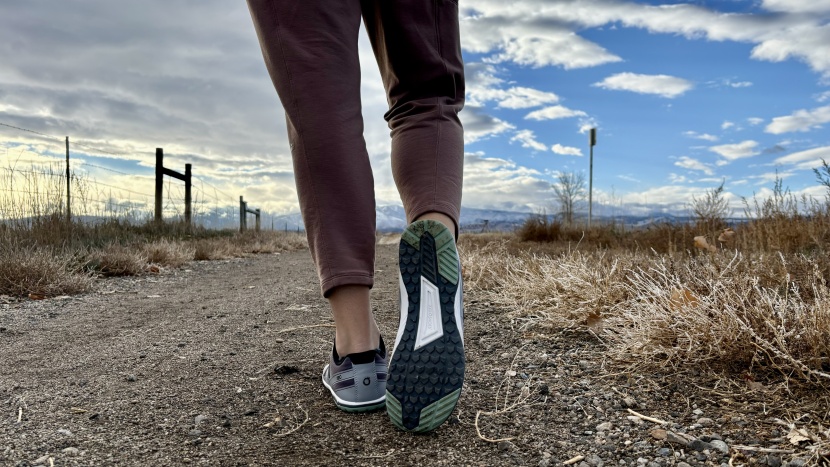
Walking Back To Natural Comfort: Why Barefoot Shoes Are Changing The Way Women Move
For generations, footwear has promised comfort, support, and style, yet many women still end their day with sore feet, tight calves, or aching backs. High heels, narrow toe boxes, and overly cushioned soles have become normal, even though they often work against the body’s natural mechanics. In recent years, a growing movement has begun to question this approach, leading many women to explore a different idea altogether. Barefoot shoes are not about giving something up, but about rediscovering how the human body was designed to move.
This shift is not driven by fashion trends alone. It is rooted in biomechanics, health research, and personal experience. Women from all walks of life, athletes, office workers, busy parents, and retirees, are finding that changing what they wear on their feet can change how they feel throughout the day.
Understanding What Barefoot Shoes Really Are
Barefoot shoes are designed to mimic the feeling of walking barefoot while still providing protection from the elements. Unlike traditional footwear, they typically feature thin, flexible soles, wide toe boxes, and little to no heel elevation. The goal is to allow the foot to move naturally, engaging muscles that are often underused in conventional shoes.
This design encourages the foot to function as it evolved to do. The toes can spread, the arch can respond dynamically to movement, and the ankle can move freely. For women who have spent years in restrictive footwear, this can feel surprisingly liberating, and at first, a bit unfamiliar.
It is important to note that barefoot shoes are not the same as minimalist sneakers with some flexibility. True barefoot designs prioritize ground feel, natural alignment, and freedom of movement over artificial support structures.
Why Women Are Reconsidering Traditional Footwear
Many women experience foot related issues at some point in their lives. Bunions, plantar fasciitis, hammertoes, and chronic foot pain are common complaints. While these conditions have many contributing factors, footwear often plays a significant role.
Traditional shoes frequently elevate the heel, shift weight forward, and compress the toes. Over time, this can alter posture and gait. The body adapts, sometimes in ways that create tension in the knees, hips, or lower back. Barefoot shoes offer an alternative by promoting a more neutral stance and encouraging natural shock absorption through the foot and lower leg.
Women who switch often report increased awareness of how they walk and stand. This awareness can lead to better posture, improved balance, and a stronger connection between movement and comfort.
The Science Behind Natural Foot Movement
The human foot contains 26 bones, more than 30 joints, and over 100 muscles, tendons, and ligaments. It is a complex structure designed to adapt to varied terrain. When supported too much, these structures can become weaker, similar to how a muscle weakens when it is not used.
Research into foot biomechanics suggests that allowing the foot to move naturally can improve strength and proprioception, which is the body’s sense of position and movement. This is particularly important as women age, since balance and stability play a key role in preventing falls.
Barefoot style footwear encourages a midfoot or forefoot strike during walking, reducing impact forces that often travel up the body when heels strike first. While this does not mean barefoot shoes are a cure all, it helps explain why many women experience relief from chronic discomfort after making the switch.
Everyday Life in Barefoot Shoes
One common misconception is that barefoot shoes are only suitable for athletes or outdoor enthusiasts. In reality, many designs are made specifically for everyday wear. Women wear them to work, while running errands, during travel, and even at social events.
Modern barefoot shoes come in a wide range of styles, from casual sneakers to elegant flats and boots. This variety makes it easier to integrate them into an existing wardrobe without sacrificing personal style.
Women often describe an adjustment period, especially if they have worn supportive shoes for many years. The muscles of the feet and calves may feel tired at first, which is a normal response to increased engagement. Gradual transition is usually recommended, starting with short periods of wear and slowly increasing over time.
Health Benefits Women Commonly Report
While individual experiences vary, many women notice similar benefits after adopting barefoot footwear. Improved comfort is often mentioned first. Without pressure points or cramped toes, feet can relax and move freely.
Some women report reduced foot pain and fewer flare ups of conditions like plantar fasciitis. Others notice changes higher up the body, such as less knee discomfort or improved hip alignment. Increased balance and stability are also commonly cited, particularly on uneven surfaces.
It is worth noting that barefoot shoes encourage active participation from the body. They do not mask poor movement patterns but instead reveal them. This can be empowering, as it gives women the opportunity to address issues through mindful movement, stretching, and strengthening.
Choosing the Right Barefoot Shoes for Women
Selecting barefoot shoes is a personal process, influenced by lifestyle, foot shape, and activity level. A wide toe box is one of the most important features, allowing the toes to spread naturally. The sole should be flexible enough to bend and twist easily, providing sensory feedback from the ground.
Heel to toe drop should be minimal or zero, meaning the heel and forefoot are at the same level. This supports natural alignment. Materials also matter. Breathable fabrics, durable outsoles, and thoughtful construction contribute to comfort and longevity.
For women new to barefoot footwear, starting with a slightly thicker sole can ease the transition. Over time, many choose thinner options as their feet adapt and strengthen.
It is also helpful to listen to the body. Discomfort that feels like muscle fatigue is normal, but sharp pain is not. Gradual adaptation and proper fit are key to a positive experience.
Addressing Common Concerns and Misconceptions
Some women worry that barefoot shoes do not provide enough support. In reality, they provide a different kind of support, one that comes from the body itself rather than external structures. Strengthening the feet can create a more resilient foundation over time.
Another concern is protection. While barefoot shoes have thinner soles, they are designed to protect against sharp objects and harsh surfaces. The difference lies in flexibility, not fragility.
There is also a belief that barefoot shoes are only suitable for people with perfect feet. In fact, many women with foot issues find them beneficial, especially when combined with guidance from a healthcare professional.
Barefoot Shoes and an Active Lifestyle
For women who enjoy walking, yoga, strength training, or light running, barefoot shoes can enhance the connection between body and movement. They allow for better ground awareness and encourage natural movement patterns.
Some athletes incorporate barefoot footwear into cross training or daily activities while using sport specific shoes for certain activities. This balanced approach helps build foot strength without overloading the body.
As interest grows, research continues to explore how minimalist footwear affects performance and injury risk. While results vary, the emphasis on listening to the body and progressing gradually remains consistent.
Why This Movement Is About More Than Shoes
At its core, the interest in barefoot shoes reflects a broader shift toward body awareness and intentional living. Women are questioning long held assumptions about comfort and beauty, choosing options that align with how they want to feel, not just how they want to look.
Barefoot shoes for women represent a return to simplicity, where function supports form rather than competing with it. This does not mean abandoning style or individuality, but redefining them in a way that honors health and comfort.
For many, the change is subtle at first. A longer walk without pain, a day without sore feet, a sense of ease while standing. Over time, these small improvements can add up to a meaningful shift in daily well being.
A Step Toward Natural Movement
The growing popularity of barefoot shoes is not a passing trend. It is a response to a deeper understanding of how the body works and how small choices can influence long term health. For women curious about reconnecting with natural movement, barefoot footwear offers an accessible place to start.
Whether worn occasionally or embraced fully, barefoot shoes invite women to feel the ground beneath them again and to trust the strength and intelligence of their own bodies. In a world that often prioritizes speed and convenience, this return to mindful movement feels both refreshing and empowering.
