
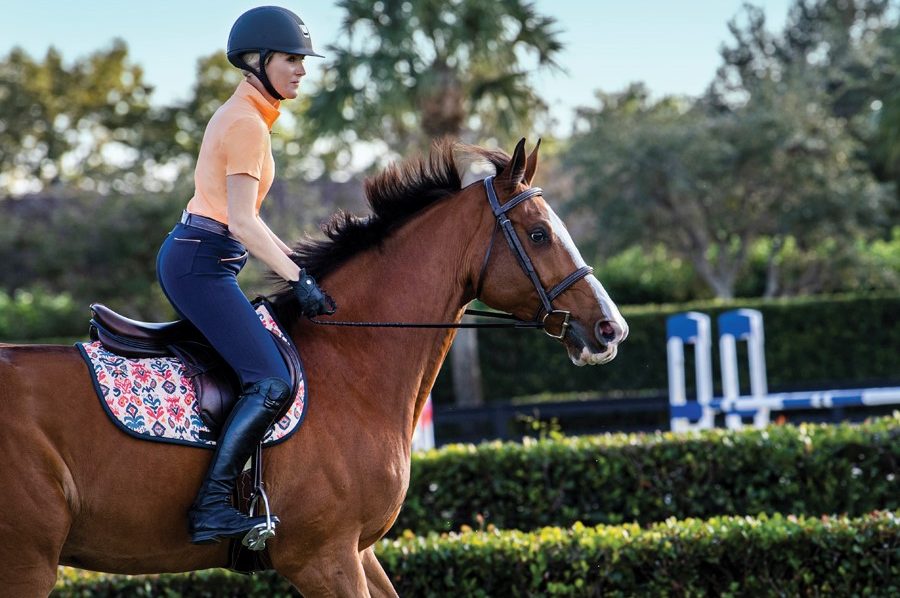
Essential Horse Riding Clothing For Comfort And Performance
The Foundation of Comfort: Choosing the Right Breeches
The Fabric That Breathes: Understanding Materials for Maximum Comfort
When it comes to horseback riding, one of the most crucial elements of your riding attire is a well-chosen pair of breeches. The fabric used in these garments plays a pivotal role in both comfort and performance. Common materials include cotton blends, synthetic fibers like polyester, and advanced moisture-wicking fabrics that facilitate breathability and comfort. Cotton, known for its softness and durability, is often favored for casual riding due to its comfort against the skin. However, for competitive or prolonged riding sessions, synthetic fibers may offer superior moisture management, ensuring that sweat is efficiently drawn away from the body. Additionally, technical fabrics often include properties such as stretchability, which enhances flexibility and movement during rides. By understanding the nuances of these fabrics, riders can choose breeches that not only fit well but also keep them comfortable regardless of the weather fluctuations.
Fit Matters: How to Select Breeches That Complement Your Riding Style
Fit is an essential aspect of selecting riding breeches, as it significantly influences your overall riding experience. Breeches should fit comfortably around the waist without digging in or slipping down, and they should hug the thighs and calves snugly to prevent any bunching while riding. For riders who engage in different disciplines, considering the cut and style of the breeches is equally important. For instance, close-fitting breeches, such as full-seat or knee-patch designs, offer excellent grip against the saddle, enhancing stability and control during jumps or quick maneuvers. Conversely, if trail riding or leisure riding is your focus, consider looser-cut models that allow for a wider range of motion and comfort. Ultimately, trying on various brands and styles, and paying attention to how the breeches interact with your body while in the saddle, is key to finding the right fit that complements your riding style.
From Classic to Trendy: Exploring Styles for Every Equestrian
The world of equestrian fashion is as varied as the riding disciplines themselves, blending tradition with modern trends. Classic styles of breeches, often in muted colors like beige, navy, or black, remain popular for their timeless appeal and versatility in competition settings. However, modern equestrian apparel has embraced vibrant colors, unique patterns, and innovative designs that make riders stand out. Moreover, advancements in technology have led to features such as silicone grips and reflective materials being incorporated, catering to both style and safety. The choice of style should reflect the rider’s individual identity while still ensuring functionality and comfort. Whether opting for a classic look or a trendy statement, it’s essential to select breeches that resonate with your personal style while serving the practical needs of riding.
Safety First: Essential Riding Boots and Helmets
Booted and Ready: Features to Look for in Riding Footwear
Choosing the right pair of riding boots is not merely a question of aesthetics; safety and functionality are paramount. Riding boots should be crafted from durable, high-quality materials, with leather being the traditional choice for its strength and flexibility. Important features include a rounded toe and a heel of at least one inch, which help prevent the foot from slipping through the stirrup – a critical safety consideration. Additionally, look for boots with sturdy soles that provide traction, as this can enhance your grip and stability while mounting and dismounting. Waterproof options can be a boon for riders who are frequently exposed to varying weather conditions. Furthermore, specialized riding boots, such as field boots for jumpers and dress boots for dressage riders, have unique designs that cater to specific disciplines, ensuring that riders remain safe and stylish in any situation.
The Importance of Helmets: Protecting Your Most Valuable Asset
While atmosphere and gear undeniably contribute to an enjoyable riding experience, the safety of the rider is of paramount importance. Helmets serve as essential protective gear, shielding the most vulnerable area during potential falls or unexpected incidents. Modern riding helmets undergo rigorous safety testing, meeting standards set by organizations such as ASTM/SEI. When selecting a riding helmet, consider features like a snug but comfortable fit, ventilation for airflow, and an adjustable harness to ensure it stays securely in place. Many helmets also include technical advancements, such as MIPS (Multi-directional Impact Protection System), which further enhance safety by reducing rotational forces during impacts. Ultimately, investing in a high-quality riding helmet is non-negotiable for riders of all levels, ensuring self-assurance and protection when in the saddle.
Reflecting Your Style: Merging Functionality and Fashion in Riding Gear
The intersection of safety and style is becoming more pronounced in modern horse riding clothing. Riders today seek gear that not only protects them but also allows them to express their personality. Riding boots and helmets now come in various colors, finishes, and designs, allowing horsemen and women to coordinate their outfits while prioritizing safety. Some brands have ventured into customizable options, enabling riders to choose colors, materials, and embellishments that reflect their style. This convergence of functionality and fashion ensures that riders can feel confident and express their individuality while adhering to safety standards. Thus, the modern equestrian can ride with both flair and peace of mind, feeling secure in a well-fitted helmet and stylish yet practical footwear.
Layering for Success: Effective Equine Apparel Strategies
The Art of Layering: Dressing for Changing Weather Conditions
Layering is an essential skill for equestrians, allowing riders to adapt to fluctuating weather conditions throughout their riding sessions. The key to effective layering lies in understanding the principle of moisture management and temperature regulation. An effective layering strategy typically consists of three key layers: a base layer, a middle layer, and an outer layer. The base layer should be made from moisture-wicking materials that promote dryness and comfort against the skin. This could be a fitted shirt or thermal top, which keeps sweat from accumulating and chilling the body. The middle layer, often a fleece or insulated vest, provides warmth without bulk, while the outer layer—usually a waterproof and windproof jacket—serves as protection against the elements. By tailoring these layers to the expected weather conditions, riders can ensure comfort and flexibility while they engage in their favored equestrian activities.
Underpinning Comfort: Selecting the Right Base Layers
Base layers are the unsung heroes of effective equestrian clothing, playing a vital role in temperature regulation and moisture management. When selecting appropriate base layers, look for fabrics designed for athletic performance, such as merino wool, polyester, or advanced synthetic blends. Merino wool is a popular choice for its excellent moisture-wicking ability and warmth-to-weight ratio, keeping riders comfortable without overheating. Polyester blends, on the other hand, are often lightweight, quick-drying, and breathable, making them suitable for warmer weather or vigorous riding sessions. Additionally, innovations in fabric technology have led to the introduction of anti-chafe seams and flat-lock stitching in many products, which further enhance comfort by reducing irritation during long rides. Selecting the right base layer not only improves comfort but also significantly impacts performance, allowing riders to focus on their horses without distraction.
Outer Layers that Perform: Choosing Jackets and Vests for Riders
When it comes to outer layers, function and style must go hand-in-hand to ensure a great ride under a variety of conditions. Jackets and vests designed specifically for equestrian use should prioritize mobility and feature materials that are both weather-resistant and breathable. Many modern outer layers now incorporate technical features such as stretch panels, waterproof zippers, and reflective accents for enhanced visibility in low-light conditions, ensuring safety while riding in inclement weather. As you evaluate your options, consider investing in jackets or vests with adjustable cuffs, hoods, and waistbands to ensure a tailored fit that can accommodate layered clothing underneath. Additionally, pockets that allow for easier access to essentials become functional features that are often overlooked. Selecting an effective outer layer that meets performance requirements while looking stylish can elevate both the ride and the overall equestrian experience.
Accessories that Enhance Performance: Gloves, Belts, and Beyond
Grip and Style: How the Right Gloves Can Transform Your Ride
Riding gloves serve a dual purpose, offering both protection and grip, which can dramatically influence your performance in the saddle. Made from materials ranging from soft leather to breathable synthetic fabrics, riding gloves should provide a balance between tactility and insulation depending on the season. It’s vital for gloves to fit snugly without restriction, allowing riders to maintain excellent dexterity for maneuvering reins and adjusting equipment effectively. Many high-quality gloves now incorporate grip-enhancing features, such as silicone dots or textured palms, which provide added friction, ensuring that you maintain control of the reins regardless of the conditions. Seasonal variations in glove design also cater to changes in temperature, with options like insulated gloves for winter rides and lightweight, breathable versions for summer. In selecting gloves that fit your needs, consider how they can enhance your riding ability while augmenting your overall comfort.
More than Just a Fashion Statement: Functionality of Riding Belts
While riding belts may often be perceived as mere accessories for holding up breeches, they play a crucial functional role within equestrian gear. A well-fitted belt ensures that your breeches stay securely in place, enhancing both comfort and safety while riding. In fact, riding belts designed specifically for equestrian use often feature unique materials and designs aimed at maximizing safety. For example, some belts incorporate breakaway features that release under excessive force to prevent potential injury during falls. When selecting a riding belt, consider options made from durable materials such as leather or reinforced synthetic fibers that can withstand the rigors of riding while still complementing your overall outfit. Additionally, the choice of buckles or fastening mechanisms can influence not just the look of the belt but also its functionality—opt for a design that does not obstruct movement or create pressure points during your ride.
Winter Versus Summer: Seasonal Accessories to Optimize Your Comfort
Every season presents unique challenges for riders, necessitating specific accessories that cater to temperature changes while still allowing for the necessary range of motion. In the winter, insulation becomes key, and accessories such as thermal gloves, wool socks, and beanies become central to maintaining comfort throughout riding sessions. For example, heated gloves or vests enhance warmth while allowing riders to retain dexterity with their hands. Conversely, in summer, breathable fabrics that wick moisture away from the skin become vital. Accessories such as sun-protective hats, lightweight gloves, and cooling neck wraps can help mitigate heat and the sun’s rays, instantly elevating comfort levels during hot rides. By equipping yourself with appropriate seasonal accessories, you enhance not only comfort but also performance, creating an optimal riding experience across the calendar year.
FAQ
Question: What types of riding helmets should I consider for different riding disciplines? – Depending on your riding discipline, you may require specific helmet styles designed for safety and aesthetics, such as western helmets, eventing helmets, or dressage helmets, that comply with discipline-specific regulations.
Question: How can I choose riding boots suited for jumping versus dressage? – For jumping, opt for boots with firmer ankle support and a lower heel to enhance grip, while dressage boots usually feature a higher heel and a more fitted design to provide better communication with the horse.
Question: What should I look for in gloves for summer versus winter riding? – In summer, look for lightweight, breathable gloves with moisture-wicking properties, whereas winter gloves should be insulated and waterproof, balancing warmth with dexterity for effective control.
Question: Are there any specific materials to avoid when selecting equestrian clothing? – Avoid materials that do not wick moisture, such as cotton in layers worn close to the skin for active riding, as they can become heavy and lead to discomfort during rides.
Question: What is the importance of reflective elements on riding gear? – Reflective elements on riding gear improve visibility in low-light conditions, enhancing safety during early morning or evening rides, especially in busy or less illuminated areas.
Question: How do I care for my riding clothing to ensure longevity? – Follow label instructions for washing, avoid harsh detergents, and air dry whenever possible to maintain the integrity of technical fabrics and ensure they continue to perform optimally.
Question: What features should I prioritize when selecting an outer layer for varying weather conditions? – Look for breathable, waterproof materials with adjustable features and pockets for convenience, ensuring that you remain dry and comfortable while allowing for appropriate movement.
Question: How essential is it to have multiple base layers for riding? – Having several base layers is important as it allows you to adjust your clothing based on temperature changes, enhancing comfort and performance throughout your riding sessions.
Useful Resources
