
Mechanical Parking Systems: What You Didn’t Know About Space-Saving Solutions
Key Takeaways
Urban areas face a parking crisis, as traditional models can’t keep up with the surge in vehicles. This leads to wasted space and important real estate being gobbled up.
Long-term losses can stack up due to old-fashioned parking solutions that focus on convenience rather than efficiency. Many folks just don’t want to hike too far to get to their parked cars.
Mechanical parking systems make use of cutting-edge technology, like automated lifts and sensors, which work to optimize space and minimize human error in parking activities.
Beyond space efficiency, these systems can enhance safety through precise engineering and monitoring capabilities, helping prevent accidents and providing real-time alerts when maintenance is needed.
Interestingly, business owners have seen a spike in customer traffic after installing mechanical parking systems. By removing the hassle of searching for parking spots, they improve the overall experience for their patrons.
For homeowners, mechanical parking systems provide the chance to save space for aesthetics and leisure activities, all while boosting property values in crowded urban regions.
When it comes to selecting a mechanical parking system, understanding the balance between capacity and available footprint is crucial. Missteps can result in resource waste and inefficiency.
Although regular maintenance is necessary, it’s often less involved than in traditional parking solutions. If done proactively, mechanical systems can represent a smart long-term investment.
Why Traditional Parking Models Fail in Urban Environments
The Space Dilemma: Where Will Everyone Park?
Imagine this: a bustling city waking up to the chaos of commuters. Cars sprawled out in endless grids, all navigating through a daily dance of exasperation. Urban sprawl is on the rise, and space is at a premium. Many people overlook just how much real estate is dedicated to parking. Consider how much more could be accomplished if buildings were designed without catering to the parking needs of tenants. It’s a mind-boggling idea, isn’t it?
Countless cities treat parking like land is infinite. Yet, in reality, there’s a tug-of-war between limited urban space and a growing number of vehicles. Traditional parking solutions? They’re buckling under the weight. You feel me: sprawling lots devour valuable real estate, reactive solutions barely manage to keep up with growth, all while pushing foot traffic and local businesses aside. So, what’s gone wrong?
- The traditional model promotes car ownership over efficient transportation.
- Simplistic layouts leave underutilized spaces, hurting revenue.
- Land use policies remain outdated, valuing cars over community.
To sum it up, cities simply can’t ignore the need for innovation. Fresh ideas are essential to solve this enduring puzzle—solutions that not only consider space but actually improve how we utilize it.
Cost vs. Convenience: The Disconnect in Parking Solutions
Let’s break down the financial aspect. Think parking is just a minor expense in urban planning? Think again. The short-term costs tied to traditional parking often lead to longer-term losses. It’s convenience that matters, yet many don’t connect the dots. Who truly wants to pay for a spot that’s 500 yards away from where they need to be?
Too often, the traditional model sacrifices convenience for perceived savings. It’s not just about pinching pennies; it’s misaligned priorities at work. This is where innovative thinking enters the picture. With the right technology, cities can turn cramped quarters into well-managed parking areas when they’re needed most. Why settle for mediocrity when innovation can drive success?
- Flexible pricing strategies can enhance service while matching demand.
- Smart apps can direct users to available spaces in real-time.
- Encouraging off-peak driving can help alleviate congestion.
Let’s be real. People will gladly pay for a spot that’s a stone’s throw from their destination. That’s not just convenience; it’s invaluable.
Decoding the Mechanisms: How Mechanical Parking Systems Work
Behind the Curtain: The Technology that Powers Your Parking
I’m a fan of tech—who isn’t? In the parking arena, mechanical parking systems are shaking things up. But how do they actually work? Just picture them: a network of intricate lifts and automated arms working harmoniously like an orchestra. That’s what these systems are—coordinated machinery that efficiently tucks your car away in no time.
At their heart, these systems rely on highly engineered mechanics and electronics. They minimize the chances of human error while maximizing how space is used. Some even come with cool features like automated payment systems and user-friendly interfaces that make parking a breeze.
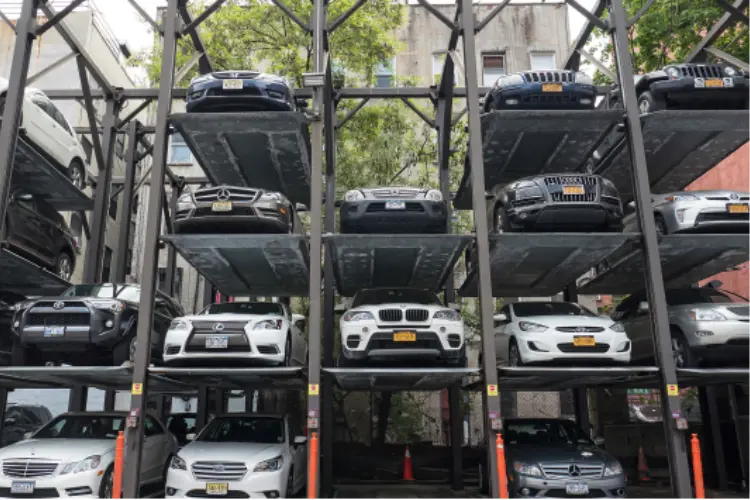
- Stacking systems make vertical space utilization possible.
- Automated retrieval saves precious time for drivers in a hurry.
- Data analytics can guide better resource management and maintenance.
As someone who’s experienced the agony of poorly designed parking, I can honestly say: embracing these solutions feels like stepping into the future.
Safety First: What You Need to Know About System Reliability
When you consider it, letting a mechanical system handle your vehicle could feel a little daunting. But don’t let doubts cloud the brilliance of this design. These systems are not only high-tech; they’re built with precision to endure wear and tear.
Look at it like this: neglecting maintenance on traditional parking structures can lead to issues. Isn’t it ironic that some systems, as advanced as they are, can actually offer more safety than their old counterparts? Equipped with leading-edge sensors, they help prevent collisions and monitor faults. You can practically feel the collective sighs of relief from cautious drivers everywhere.
- Routine checks are essential, yet reliability is generally higher.
- Most systems come with emergency protocols to avert mishaps.
- Real-time monitoring can inform operators of potential issues.
“The future isn’t just about adding space; it’s about rethinking how we use it.”
Of course, safety worries exist, just like with traditional parking. But I’d argue the pathway forward lies in embracing these innovations instead of clinging to outdated parking practices.
Real-World Applications: Case Studies of Mechanical Parking Success
Transforming Commercial Spaces: Big Wins for Local Businesses
Let’s spotlight some winners in this arena, shall we? I recently came across a restaurant that nearly doubled its foot traffic after a mechanical parking system was installed nearby. How did that happen? Customers who once dreaded hunting for parking are now pulling right up, snagging that valuable “extra five minutes” at dinner time. And that’s not all. Local business owners are also cashing in on these benefits.
Efficient parking can turn a lot into a powerful marketing tool, drawing in potential customers with ease. Here’s how:
- Quick access leads to a surge in visitor numbers.
- An enhanced experience keeps customers coming back.
- More time in stores means less fumbling for parking spots.
If you’re a restaurant or store owner, the old ways won’t cut it anymore. Embrace innovative solutions, or run the risk of being left behind.
Residential Revolution: How Homeowners are Adopting Smart Parking
Now, let’s switch gears. Homeowners are getting on board with these systems too. Think about the tightly packed suburbs, where every inch counts—very real, right? I visited a community that had implemented a centralized mechanical parking system. Sales for homes there shot up because it tackled a pressing question: where will everyone park?
Modern homeowners want parking but not at the cost of visual appeal. After all, who wants to see sprawling parking lots? Thanks to innovation, families can maximize their home’s footprint while installing sleek systems that fit seamlessly into their surroundings. Win-win, right?
- Space-efficient systems allow for roomier backyards and green spaces.
- Utilizing advanced technology boosts property value.
- Less clutter improves the neighborhood’s visual appeal.
Choosing the Right System: What Buyers Often Overlook
Capacity vs. Footprint: Finding the Perfect Balance
Now we come to a key moment—where do you even start with a mechanical parking system? Let’s get real: figuring out the market can feel like navigating a maze. My recommendation? Understand the balance between capacity and footprint if you want a system that actually works.
Homeowners, business leaders, and city planners can’t afford to ignore this crucial detail. I mean, why waste resources on a massive structure that can’t serve enough vehicles? But then again, oversizing can lead to inefficiencies. This paradox has perplexed planners for ages. When you hit the nail on the head, you’ll find cost concerns resolve themselves.
- Grasp the unique needs of your community or business.
- Assess available space against the predicted vehicle volume.
- Choose systems that offer scalable options for future growth.
And keep this in mind: you might think short-term, but getting the right size sorted out will save you long-term headaches.
Maintenance Myths: Debunking Common Misconceptions
Let’s clear the air: maintenance is no joke, but it doesn’t have to be a nightmare either. There’s a common belief floating around that mechanical systems need constant attention and are filled with quirks. Not true! My experience shows these systems actually require less upkeep compared to traditional methods, especially if you stay on top of proactive management.
I’ve watched folks cringe at the word “repairs,” fretting over costs. But what’s the real price of ignoring problems? Treating these systems like novelties can lead to repercussions that far outweigh the initial investment in proper maintenance.
- Develop regular maintenance schedules to prolong lifespan.
- Train staff on how to use the systems efficiently.
- Keep up with technological advancements that enhance functionality.
“Investing in today’s solutions can save tomorrow’s headaches.”
So, let’s stop tiptoeing around the truth. Staying informed can lead to better performance, long-term savings, and sidestep unpleasant surprises later on.
Ultimately, we should recognize that our cities, homes, and businesses are evolving. Parking shouldn’t remain a stagnant relic from the past—it needs to progress. That shift, my friends, is where mechanical parking systems come into play, and they’re shouting for our attention.
FAQ
What are the initial costs associated with installing a mechanical parking system?
Initial costs can differ significantly based on the system’s complexity and site conditions. Generally speaking, expect to set aside a substantial upfront investment, but keep in mind: it often proves worthwhile over time through reduced land use and improved efficiency.
How do mechanical parking systems handle different types of vehicles?
Most systems are designed to be versatile, accommodating various vehicle sizes, but that’s not a sure thing. Always verify the specifications to ensure it can manage everything from compact cars to larger SUVs—nobody wants surprises later.
Are mechanical parking systems energy-efficient?
You bet! Many systems are crafted to cut down on energy usage compared to conventional parking lots. They frequently include advanced sensors and smart controls that boost efficiency, translating to lower utility expenses and a smaller carbon footprint.
What happens in case of a mechanical failure?
Like any system, mechanical failures can happen. But most setups come with safety protocols and manual overrides to guarantee you can still access your vehicle. It’s all about keeping your peace of mind, even when hiccups occur.
How do mechanical parking systems compare to conventional parking regarding user experience?
In reality, they often offer a much smoother experience. Users save time and sidestep the annoyance of hunting for a spot. Plus, the cool factor—pulling up and letting the system take over—can really boost user satisfaction.
Can mechanical parking systems be installed in existing buildings?
Yes, retrofitting existing structures is pretty common. However, you’ll need a thorough assessment first. Not every building is suitable, so conducting feasibility studies is vital before jumping into installation.
How does weather affect mechanical parking systems?
Today’s systems are built to endure various environmental conditions, but extreme weather can still throw a wrench in the works. Regular maintenance and weatherproofing can help alleviate risks tied to snow, heavy rainfall, or intense heat.
What are the factors that determine the return on investment for mechanical parking systems?
The ROI depends on several factors: installation expenses, maintenance savings, space utilization, and increased customer traffic. Keeping track of usage and occupancy rates will give you a clearer perspective on how quickly you’ll start seeing returns.
Useful Resources
- American Public Transportation Association
- NAIOP, the Commercial Real Estate Development Association
- American Planning Association
- American Council for an Energy-Efficient Economy
- American Society of Civil Engineers
- Urban Land Institute
- Intelligent Transportation Systems (ITS) – U.S. Department of Transportation
- gov
