
Why Well-Designed Common Areas Matter in Residential Projects
Common areas are an important part of the residential experience, particularly in condominium developments where residents share facilities, entrances, pathways, gardens, and recreational spaces. While buyers naturally focus on the private interior of a home, the quality of the spaces outside the unit can influence convenience, comfort, social interaction, and the overall character of a development.
Well-designed common areas can make everyday movement easier, provide places for residents to relax, and create a stronger sense of community. Their value therefore extends beyond appearance.
Common Areas Create the First Impression
The entrance and shared spaces are often the first parts of a development that residents and visitors experience. A thoughtfully designed arrival area can establish a sense of quality and organisation.
Landscaping, lighting, signage, seating, pathways, and architectural details can all contribute to this impression. However, good design should combine visual appeal with practical functionality.
Efficient Circulation Improves Daily Life
Residents use common areas every day when entering or leaving their homes, accessing facilities, collecting deliveries, or moving between different parts of the development.
Clear pathways, sensible layouts, accessible lifts, and convenient connections can make these movements easier. Poorly planned circulation, on the other hand, can create unnecessary walking distances or confusing routes.
Landscaping Can Make Shared Spaces More Inviting
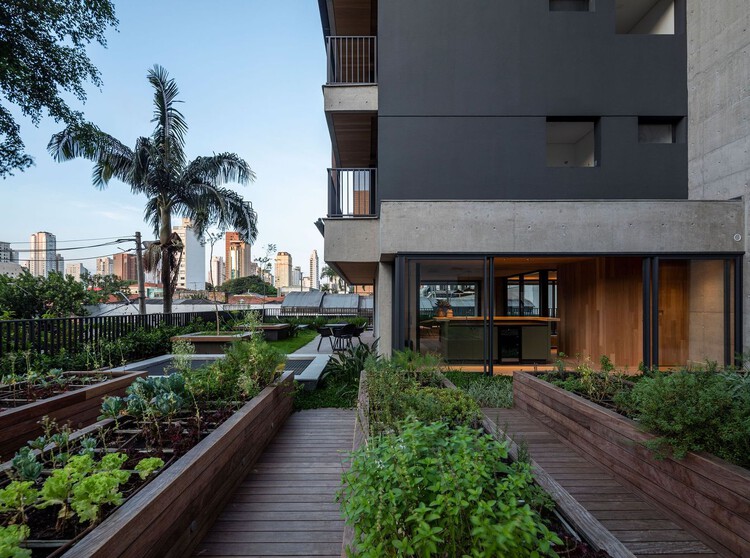
Greenery can transform common areas into more attractive and comfortable environments. Trees, gardens, lawns, planted walkways, and shaded areas can provide visual relief within an urban setting.
Developments such as The Serra Residences demonstrate why landscaping can play an important role in shaping the atmosphere of a residential project.
Common Areas Can Support Community Interaction
Shared spaces can create opportunities for neighbours to meet naturally. Lounges, gardens, function rooms, playgrounds, and recreational areas can encourage casual interactions without requiring formal community events.
These encounters can help residents become familiar with one another and contribute to a stronger sense of belonging.
Recreational Facilities Add Practical Value
Common areas often include facilities designed for exercise and leisure. Swimming pools, gyms, fitness areas, playgrounds, and outdoor spaces can provide residents with convenient alternatives to travelling elsewhere.
The usefulness of these facilities depends on their design, accessibility, size, and maintenance. A smaller but well-planned facility can sometimes be more valuable than a larger space that is difficult to use comfortably.
Outdoor Areas Extend the Living Environment
Gardens, terraces, landscaped courtyards, and open lawns can provide residents with additional spaces beyond their private homes.
These areas can support morning walks, relaxation, children’s activities, outdoor gatherings, or simply quiet time. Projects such as Dunearn Green highlight the potential of landscaped environments to complement residential architecture.
Seating Encourages Residents to Stay
Comfortable seating can make a significant difference to how common areas are used. Benches, shaded lounges, poolside seating, and garden areas can provide places for residents to pause and spend time outdoors.
The positioning of seating matters as well. Some residents may prefer social areas, while others may value quieter locations with greater privacy.
Shade Is Particularly Important in Singapore
Singapore’s warm and humid climate makes shade an important consideration for outdoor common areas. Trees, covered walkways, canopies, and appropriately positioned structures can make outdoor spaces more comfortable.
Shade can encourage residents to use gardens, paths, and recreational areas for longer periods rather than treating them as spaces to pass through quickly.
Lighting Supports Safety and Usability
Good lighting can improve both the appearance and usability of common areas after dark. Pathways, entrances, staircases, parking areas, and recreational spaces should be appropriately illuminated.
Lighting should provide visibility without creating excessive glare or disturbing nearby residences. Thoughtful placement can contribute to a safer and more comfortable environment.
Accessibility Should Be Built Into the Design
Common areas should be convenient for residents with different mobility requirements. Step-free routes, ramps, lifts, accessible facilities, suitable pathway surfaces, and clear signage can improve navigation.
Inclusive design also benefits families with strollers, residents carrying groceries, and anyone experiencing temporary mobility limitations.
Privacy Requires Careful Planning
Common areas should encourage community interaction without compromising the privacy of nearby homes. The location of playgrounds, pools, function rooms, seating areas, and pathways can influence noise and activity levels around residential units.
Landscaping and building orientation can help create separation between active shared spaces and quieter private areas.
Noise Management Matters
Some communal facilities naturally generate more activity than others. Pools, playgrounds, sports areas, and function rooms can become lively during busy periods.
Good site planning can place higher-activity facilities away from bedrooms and other quiet areas. Buyers should consider both the location of shared facilities and their operating patterns when evaluating a property.
Well-Planned Facilities Can Support Different Lifestyles
Residents have different preferences. Some may enjoy social gatherings and recreational activities, while others prefer quiet gardens or private seating areas.
A successful development can provide a variety of common spaces so residents have choices. The objective is not to make every area serve every purpose, but to create a balanced environment with spaces for activity, relaxation, and social interaction.
Maintenance Determines Long-Term Quality
The design of a common area matters little if it is not properly maintained. Gardens need regular care, pools require cleaning, lifts need servicing, and shared surfaces must be kept in good condition.
Buyers viewing completed developments should pay attention to the actual condition of common areas. Cleanliness, landscaping, equipment condition, and general upkeep can provide useful indications of management standards.
Common Areas Can Support Wellness
Shared gardens, walking paths, pools, fitness facilities, and quiet outdoor spaces can encourage residents to spend more time moving and relaxing outside their homes.
This can support a broader approach to wellness. Residents can choose between active recreation, social interaction, or quiet time depending on their needs.
Good Design Can Improve Everyday Convenience
Common areas also serve practical functions. Parcel collection areas, bicycle storage, visitor facilities, sheltered routes, drop-off points, and waste management spaces can influence everyday convenience.
These features may receive less attention than swimming pools or landscaped gardens, but they can have a meaningful impact on how efficiently residents use the development.
Common Areas Influence the Sense of Community
A residential project is not simply a collection of individual units. Shared spaces help create the environment in which residents interact and experience the development together.
Thoughtfully designed common areas can encourage informal connections while still allowing residents to maintain privacy. This balance can contribute to a more welcoming and cohesive community.
What Homebuyers Should Look For
When evaluating common areas, buyers should consider:
- Quality of landscaping
- Accessibility and circulation
- Outdoor shade and seating
- Lighting and security
- Recreational facilities
- Privacy from shared spaces
- Noise levels
- Maintenance standards
- Visitor and delivery arrangements
- Accessibility for different age groups
- Connection between indoor and outdoor spaces
A site visit can be particularly useful because photographs and brochures cannot always convey the scale, atmosphere, noise, or convenience of shared areas.
Common Areas Are Part of the Homeownership Experience
The private apartment is only one part of condominium living. Residents also experience the entrance, lifts, corridors, gardens, recreational facilities, pathways, and other shared spaces every day.
Well-designed common areas can make these experiences more comfortable, convenient, and enjoyable. They can also support recreation, social interaction, accessibility, and a stronger sense of community.
Ultimately, the best residential projects treat common areas as an integral part of the overall design rather than as leftover spaces between buildings. When shared environments are thoughtfully planned, well maintained, and appropriately connected to private homes, they can significantly enhance the quality of everyday condominium living.
