
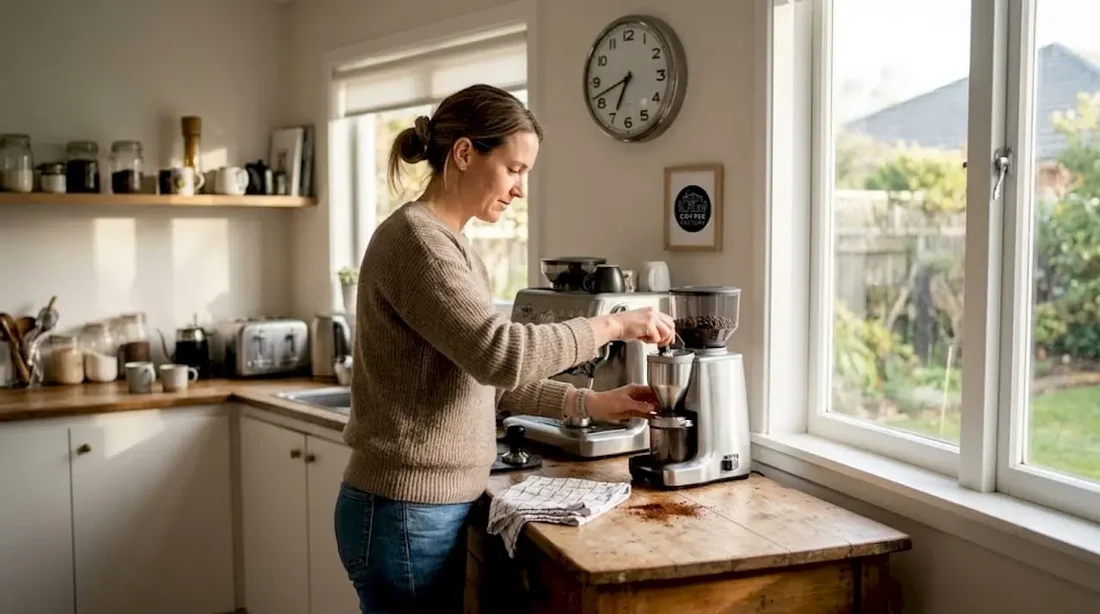
Creating a Home Coffee Bar: Layouts, Plumbing, and Aesthetics for Coffee Connoisseurs
For dedicated coffee enthusiasts, crafting the morning brew has progressed far beyond pressing a button on a basic drip machine. From precise espresso extraction to meticulous pour-over rituals, coffee preparation is both an artisan craft and a sensory morning ritual. However, specialized grinders, espresso machines, scales, and filtration carafes can rapidly overwhelm valuable kitchen countertops if left unorganized. Designing a dedicated home coffee station establishes a tailored, ergonomic workflow that streamlines preparation while introducing a stylish, café-inspired focal point to the living or dining area.
Selecting the Ideal Zone: Dry Bar vs. Dedicated Niche
The first step in planning a home coffee bar is identifying a location that supports daily workflow without interfering with main cooking paths:
- The Dining Hall Dry Bar: Positioning the coffee bar along a dining perimeter separates beverage prep from primary kitchen traffic, allowing hosts to pull espresso shots while entertaining dinner guests.
- The Galley Extension: Extending existing kitchen perimeter counters creates a continuous workflow with immediate access to dishwashing sinks and refrigerator milk supplies.
- The Living Room Pocket Bar: Integrating a concealed beverage cabinet behind fluted pocket doors in the living room keeps machinery tucked out of view when not in use.
Thoughtful architectural space planning provides significant lifestyle advantages. In contemporary master-planned residences like Solano Grand, generous living-dining layouts and open sightlines make it simple to integrate a bespoke dry bar or credenza unit without compromising circulation between the entertainment lounge and primary dining zones.
Essential Infrastructure: Power, Plumbing, and Ventilation
Specialty coffee gear places distinct demands on household utilities. Planning electrical points and plumbing routes early avoids the clutter of trailing extension cords and water jugs:
- Dedicated Electrical Circuits: Dual-boiler espresso machines and commercial grinders draw substantial wattage. Installing at least three to four dedicated 13A or 15A wall sockets ensures equipment operates safely without tripping breakers.
- Direct Plumb-In and Drainage: Advanced rotary-pump espresso machines can be plumbed directly into the cold water line. Pairing this with an integrated under-counter pitch rinser and direct drain box eliminates the chore of manually filling internal water reservoirs and dumping drip trays.
- Steam and Moisture Protection: Frothing milk and flushing group heads releases hot water vapor. Lining overhead upper cabinetry with water-resistant laminates or quartz splashbacks protects carpentry from swelling over time.
Custom Joinery and Workflow Ergonomics
An efficient coffee setup follows a logical left-to-right progression: bean dosing and grinding, tamping, brewing, milk texturing, and knock-box disposal.
- Integrated Tamping Surfaces: Countertops fitted with recessed silicone tamping mats protect stone surfaces while maintaining a level tamping angle.
- In-Counter Knock Chutes: Cutting an opening into the countertop fitted with a commercial knock-box chute drops spent coffee pucks directly into a hidden pull-out compost bin below.
- Dedicated Bean and Filter Drawers: Shallow drawers fitted with modular timber organizers keep paper filters, precision distribution tools, portafilters, and airtight bean vaults neatly organized and protected from light.
For coffee connoisseurs evaluating spacious executive apartments in northern growth hubs, projects such as Wynwood Grand offer wide kitchen configurations and adaptable floor plates. These generous layouts provide ample physical clearance to incorporate an expansive stone-clad coffee counter complete with dedicated under-bench mini-fridges for specialty milks and open architectural shelving for curated ceramic ware.
Curating the Café Aesthetic: Materials and Ambient Lighting
To complete the experience, select materials that balance practical durability with warmth. Sintered stone or matte granite worktops resist coffee acid staining, while natural walnut shelving and ribbed brass brackets add visual depth.
Pairing warm under-cabinet LED task strips (3000K) with a focused overhead mini-spotlight illuminates the espresso machine’s extraction gauge clearly without flooding the rest of the room in clinical light.
By combining dedicated power, smart plumbing considerations, and ergonomic millwork, homeowners can build a bespoke home coffee bar that elevates daily morning routines into an inspiring, café-quality experience.
