
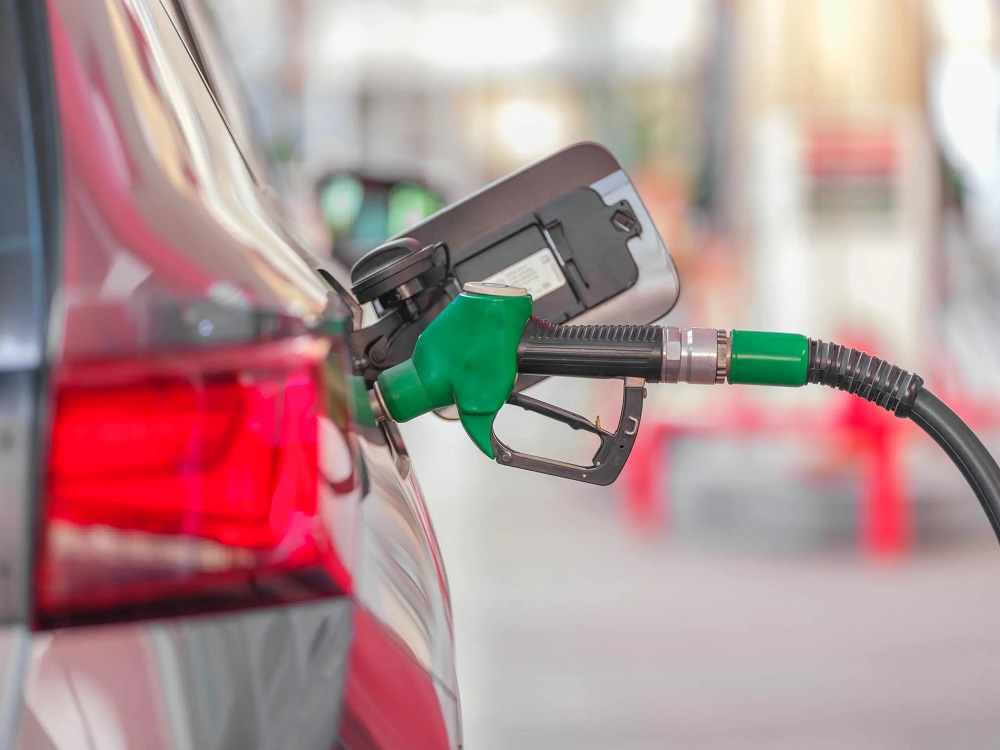
Automotive Tips for Improving Fuel Efficiency Naturally
Gas prices fluctuate constantly, but the desire to save money at the pump remains a universal priority for drivers. While many automotive products promise miraculous increases in fuel economy, the most effective methods do not require expensive aftermarket gadgets or chemical additives. Improving your fuel efficiency naturally comes down to understanding how your vehicle operates, adjusting your driving habits, and maintaining your vehicle correctly.
By implementing a few deliberate changes to your daily routine, you can significantly reduce your fuel consumption, extend the life of your vehicle, and minimize your environmental footprint. The following comprehensive guide details the practical, evidence-based strategy for maximizing every gallon of fuel.
The Physics of Fuel Consumption
To improve fuel economy, it helps to understand what your engine is fighting against when you drive. A vehicle requires energy to overcome three main forces: inertia, aerodynamic drag, and rolling resistance.
Inertia is the resistance of an object to any change in its state of motion. Every time you accelerate from a complete stop, your engine must work incredibly hard to get thousands of pounds of metal moving.
Aerodynamic drag is the resistance created by the air pushing against the vehicle as it moves forward. At lower speeds, this force is minimal, but it increases exponentially as your speed rises.
Rolling resistance is the friction generated between your tires and the road surface. High rolling resistance means your engine must burn more fuel simply to keep the wheels turning.
Naturally improving your fuel efficiency means optimizing your vehicle and your driving style to minimize these three opposing forces.
Master the Art of Smooth Driving
Your right foot has a more significant impact on your fuel economy than almost any other variable. Aggressive driving behaviors like rapid acceleration and hard braking waste fuel unnecessarily.
Practice Anticipatory Driving
Instead of focusing solely on the bumper of the car directly in front of you, look a quarter-mile down the road. By scanning the traffic pattern ahead, you can anticipate red lights, slowing traffic, or merging vehicles long before you reach them.
If you see a red light in the distance, take your foot off the accelerator immediately and coast toward it. Coasting uses virtually no fuel, as modern fuel-injected engines cut off fuel delivery to the cylinders when the vehicle is coasting in gear. If you time it correctly, the light may turn green before you reach a complete stop, allowing you to accelerate from a rolling start, which requires far less energy than starting from a dead stop.
Accelerate Progressively
Imagine there is an egg placed underneath your accelerator pedal, and you want to avoid crushing it. When accelerating from a stoplight, press the pedal gently and smoothly. You do not need to crawl away from the line, but aiming to reach cruising speed over a span of fifteen to twenty seconds is far more efficient than slamming the pedal down to match the speed of aggressive drivers around you.
Maintain a Steady Cruising Speed
Vehicles are engineered to be most efficient at specific speed ranges, typically between forty-five and sixty miles per hour. Once you exceed sixty miles per hour, your vehicle must fight significantly higher aerodynamic drag. Driving at seventy-five miles per hour on the highway uses roughly twenty percent more fuel than driving at sixty-five miles per hour, even though the time saved on an average commute is minimal. Use cruise control on flat, open highways to help maintain a perfectly consistent speed, preventing the subtle, fuel-wasting speed fluctuations that happen when driving manually.
Optimize Your Vehicle Mechanical Efficiency
A vehicle that is poorly maintained requires more energy to perform basic tasks. Keeping your car in peak mechanical condition ensures that the engine converts fuel into motion as efficiently as possible.
Monitor Tire Pressure Rigorously
Tires naturally lose air pressure over time due to temperature changes and microscopic permeation through the rubber. Under-inflated tires flex more, creating a larger contact patch with the road. While this might sound beneficial for grip, it drastically increases rolling resistance.
Driving on tires that are under-inflated by just five pounds per square inch can reduce your fuel economy by several percent. Check your tire pressure at least once a month using a reliable gauge, referencing the recommended pressure listed on the placard inside the driver-side door jamb, rather than the maximum pressure stamped on the tire sidewall.
Use the Correct Engine Oil Weight
The internal moving parts of your engine experience friction as they slide against one another. Engine oil lubricates these components, but using an oil that is too thick can create internal resistance, forcing the engine to work harder. Always use the exact oil viscosity recommended by the manufacturer in your owner manual. Modern vehicles often utilize thinner, synthetic oils engineered explicitly to reduce internal friction and optimize fuel efficiency without sacrificing engine protection.
Maintain the Air Filtration and Spark Systems
An internal combustion engine requires a precise mixture of fuel and oxygen to create power. A clogged, dirty air filter restricts airflow into the engine, forcing the computer to adjust the fuel mixture, which can hurt performance and efficiency in older vehicles. Similarly, worn-out spark plugs can cause incomplete combustion, meaning a portion of the fuel injected into the cylinders is wasted and sent directly out the exhaust pipe. Replacing these components at the intervals suggested by your manufacturer keeps the combustion process clean and efficient.
Reduce External Drag and Superfluous Weight
Every pound of weight inside your vehicle and every object disrupting its aerodynamic profile requires extra fuel to transport. Cleaning out your vehicle is one of the simplest ways to naturally boost efficiency.
Clear Out the Cargo Space
It is easy to let the trunk or cargo area of a vehicle become a permanent storage facility for golf clubs, tools, sporting equipment, or emergency supplies. Carrying an extra one hundred pounds of unnecessary weight can lower your fuel economy by up to one percent. Take an afternoon to remove items you do not need for your daily commute. The lighter your vehicle is, the less energy it requires to overcome inertia during stop-and-go city driving.
Remove Aerodynamic Obstacles
Roof racks, bicycle carriers, cargo boxes, and even window deflectors alter the way air flows over your vehicle. A large cargo box mounted to your roof can decrease fuel efficiency by up to twenty percent at highway speeds due to the immense wind resistance it creates. If you only use your roof rack or bike carrier occasionally for weekend trips, take the time to unmount it during the workweek.
Manage Climate Control Smartly
Operating the air conditioning system places a direct mechanical load on the engine via the accessory drive belt, requiring extra fuel to run the compressor. However, turning it off completely is not always the most efficient choice.
The Highway Versus City Dilemma
At lower speeds around town, the aerodynamic penalty of opening your windows is minimal. Therefore, when driving through residential areas or city traffic, rolling down the windows to stay cool is more efficient than running the air conditioner.
However, once you jump onto the highway and exceed fifty-five miles per hour, open windows create a parachute effect, significantly increasing aerodynamic drag. At high speeds, the fuel required to overcome this extra drag is actually greater than the fuel required to run the air conditioner. On the highway, roll up the windows and use the climate control system.
Utilize the Recirculation Mode
When you do use the air conditioning, activate the air recirculation button. Rather than continuously drawing in hot outside air and cooling it down, the system pulls already-cooled air from inside the cabin and passes it back through the evaporator core. This requires significantly less energy, reducing the load on your engine and saving fuel.
Frequently Asked Questions
Does filling up my tank in the morning save money because the fuel is denser?
While it is true that liquids expand and become less dense as temperature rises, this concept does not translate to noticeable savings at the pump. Modern gas stations store their fuel supplies in large, heavily insulated underground tanks. The temperature of the fuel inside these tanks remains remarkably stable throughout the day and night, regardless of the air temperature above ground. The density of the gasoline changes by a fraction of a percent, meaning the time of day you choose to refuel has no measurable impact on your fuel economy or your wallet.
Will switching to premium high-octane fuel improve fuel economy in a standard car?
Using premium fuel in a vehicle designed to run on regular unleaded fuel will not increase fuel efficiency or provide extra horsepower. Octane ratings measure a fuel resistance to pre-ignition, a phenomenon often referred to as engine knocking. High-octane fuel is required only in high-compression or turbocharged engines engineered explicitly for it. If your vehicle owner manual states that regular unleaded fuel is acceptable, using premium fuel is an unnecessary expense that offers zero mechanical or efficiency advantages.
Is it more fuel-efficient to leave the engine idling or turn it off and restart it?
Modern fuel-injected engines are highly efficient during startup, requiring only a tiny amount of fuel to turn over. Idling, on the other hand, burns roughly a quarter to a half-gallon of fuel per hour depending on the engine size, while returning zero miles per gallon. As a general rule of thumb, if you expect to remain stationary for more than thirty seconds, excluding normal stop-and-go traffic scenarios, turning off the engine entirely will save more fuel than leaving it running. This is precisely why many modern vehicles feature automatic stop-start systems.
Can using cruise control on hilly terrain actually waste fuel?
Yes, cruise control can be counterproductive in mountainous or highly hilly regions. Cruise control systems are designed to maintain a strict target speed. When the vehicle encounters a steep incline, the system will aggressively downshift the transmission and open the throttle wide to prevent the speed from dropping. A human driver can anticipate the hill, allowing the vehicle speed to bleed off slightly as they climb, and then regain that speed naturally using gravity on the descent, which is far more efficient.
Do dirty fuel injectors impact efficiency, and do over-the-counter cleaners work?
Dirty or clogged fuel injectors cannot spray fuel in the fine, atomized mist necessary for complete, clean combustion. Instead, they may drip or spray unevenly, leading to incomplete burning of the fuel and diminished efficiency. Over-the-counter fuel system cleaners containing high concentrations of polyetheramine can be effective at dissolving these deposits over time. However, regular maintenance and using high-quality fuel that already includes detergent additives is typically sufficient to keep injectors clean naturally.
Does wheel misalignment have a measurable impact on fuel economy?
When your wheels are improperly aligned, they do not point in the exact same direction. This means that as you drive forward, one or more tires are slightly scrubbing sideways against the asphalt rather than rolling smoothly. This alignment issue significantly increases rolling resistance, forcing the engine to burn extra fuel to maintain forward momentum. It also causes rapid, uneven tire wear. Having your alignment checked annually ensures your tires roll with minimal resistance.
