
Built To Be Seen: How Custom Sign Services Help Businesses Stand Out Every Day
Most people do not realize how quickly they judge a business. It often happens from across the street or through a car window. Before a conversation begins, a sign has already introduced the brand and set expectations.
A clean, well designed sign suggests professionalism and care. A faded or confusing one can quietly push customers away without anyone knowing why. That split second reaction is powerful, and it is exactly where custom sign services make their biggest impact.
Think about the last time you tried a new café, clinic, or shop. Chances are you noticed how easy it was to spot, how clearly the entrance was marked, and whether the space felt welcoming. Those cues come from signage, not words, and they shape the entire experience before you even step inside.
What makes a sign truly custom
At first glance, a sign might look simple. It has a name, maybe a logo, and some colors. But truly custom signage goes much deeper than that surface layer.
Custom means the sign is designed around the business, not pulled from a template. It takes into account the building’s architecture, the surrounding environment, and the people who will be reading it. The size, materials, lighting, and placement are all chosen intentionally so the sign feels like a natural extension of the space.
This approach creates something that fits perfectly instead of something that merely works. It is similar to tailored clothing. Off the rack might be fine, but custom feels right because it was made with you in mind.
Designing with purpose, not guesswork
Good design starts with questions. Who is the audience? How far away will they be when they first see the sign? What feeling should they walk away with? These details guide every decision that follows.
Professionals sketch concepts, test color contrast, and think through how the sign will look at different times of day. A design that shines in bright sunlight may need adjustments for nighttime visibility. This thoughtful process helps avoid costly mistakes and results in signage that performs reliably in the real world.
From concept to installation, how the process unfolds
Behind every polished sign is a surprising amount of craftsmanship. After the design phase, fabrication begins. Materials are cut, shaped, and assembled with precision so everything lines up perfectly.
Modern sign shops often combine technology with hands-on skills. CNC routers, printers, and laser cutters handle intricate details, while experienced technicians manage finishing touches. This blend of tools ensures both accuracy and durability.
Installation is where everything comes together. Crews carefully mount the sign, connect lighting if needed, and check alignment from multiple angles. When done well, the final result looks effortless, even though hours of planning and skill went into every step.
Why professional installation matters
It can be tempting to think a sign is just something you bolt to a wall. In reality, poor installation can shorten a sign’s life or create safety risks. Weather exposure, wind loads, and electrical connections all require expertise.
Professionals understand local codes and structural considerations. They know how to secure heavy components and protect them from the elements. That knowledge keeps the sign looking good and functioning properly for years, not just months.
Signage systems that guide and support customers
Many people think of signage as a single logo above a door, but most businesses need more than that. Effective spaces rely on systems of signs that work together. Each one plays a specific role in guiding, informing, or promoting.
Wayfinding signs help people navigate larger buildings without frustration. Clear arrows and labels reduce the need to ask for directions, which saves time for both visitors and staff. In places like clinics, schools, or offices, this clarity can dramatically improve the overall experience.
Promotional and informational signs serve another purpose. Menu boards, product displays, and event banners communicate timely messages. When these elements match the main brand style, everything feels cohesive rather than cluttered.
Creating a seamless journey through space
Imagine walking into a building where nothing is labeled. You would hesitate at every turn, unsure where to go next. Now imagine a space where signs gently guide you from the entrance to the front desk to your destination.
That seamless flow builds confidence. People feel cared for because someone clearly thought about their needs. Custom signage makes this possible by planning the entire journey, not just one or two touchpoints.
Serving diverse industries with specialized solutions
Different industries face different challenges. A retail store may focus on attracting attention and encouraging walk-ins. A corporate office might prioritize professionalism and brand consistency. A manufacturing facility could need safety and compliance signage above all else.
Custom sign providers adapt to these needs. For example, high traffic environments may require tougher materials that resist scratches and wear. Outdoor settings might demand finishes that stand up to harsh sun or heavy rain. Each situation calls for a tailored solution.
Public sector projects often have their own specifications. Accessibility standards, specific color requirements, and durability guidelines can all come into play. Businesses that provide signs in Wenatchee, WA, or similar communities frequently handle these diverse demands, creating signage that serves both practical and regulatory needs.
Blending function with personality
Even in highly regulated environments, there is room for character. A library can feel warm and inviting while still being easy to navigate. A government building can project authority while remaining approachable.
Balancing these qualities takes experience. Designers must honor the rules while still crafting something visually appealing. When done right, the result feels both functional and human.
Materials and technology shaping modern signage
Today’s signs are built from a wide range of materials. Metal offers strength and a sleek finish. Acrylic provides flexibility and vibrant colors. Wood adds warmth and character. Each option creates a different mood.
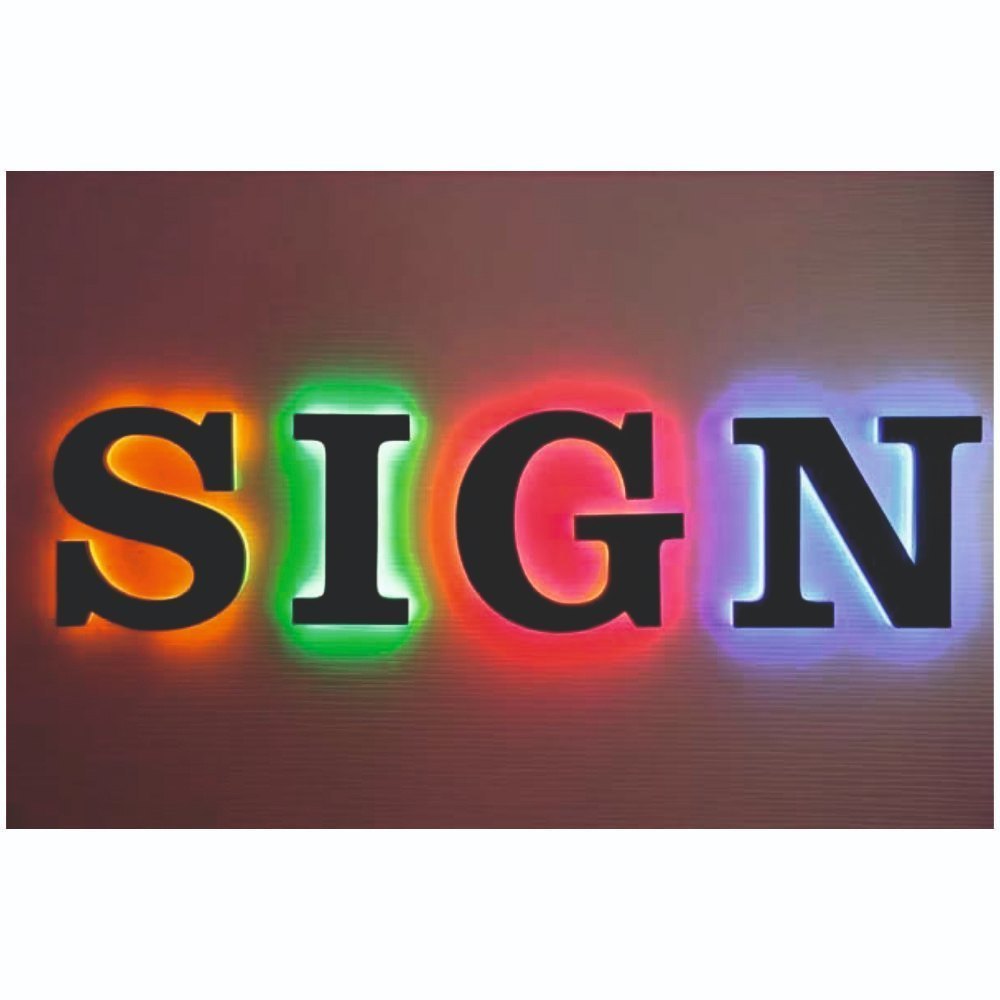
Lighting has also transformed what signage can do. LED systems allow for bright, energy efficient illumination that makes businesses visible after dark. Backlit letters and halo effects add depth and sophistication without overwhelming the design.
Digital printing technology expands creative possibilities even further. Detailed graphics, gradients, and custom textures can now be reproduced with impressive accuracy. This allows brands to experiment and express themselves in ways that were once too costly or complicated.
Choosing materials that last
Looks matter, but longevity matters just as much. A sign that fades or cracks too quickly can hurt a brand’s image. That is why material selection should always consider climate and usage.
Outdoor signs may need UV protection and weather resistant coatings. Indoor signs in busy areas might require scratch resistant surfaces. Thinking ahead helps protect the investment and keeps maintenance costs lower over time.
Why custom signage remains one of the smartest investments
Marketing trends come and go, but physical signage continues to deliver steady value. Once installed, it works every day without additional spending. It catches attention, reinforces branding, and supports customers around the clock.
Unlike many ads, a sign reaches people at the exact moment they are ready to engage. Someone standing outside your door is already interested. Clear, attractive signage simply helps them take the next step.
There is also a pride factor. Employees feel more confident working in a space that looks polished and professional. That confidence often carries over into customer interactions, creating a better atmosphere for everyone.
Building recognition over time
Consistency is what turns a name into a recognizable brand. When people see the same colors, shapes, and styles across every sign, those elements start to stick. Over time, they become familiar and trusted.
Custom sign services make this consistency easier to achieve. Instead of piecing things together from different vendors, businesses can create a unified look that grows with them. That steady presence in the physical world builds lasting recognition that digital impressions alone cannot match.
In the end, signage is more than decoration. It is communication, guidance, and identity rolled into one. Done thoughtfully, it speaks for your business every single day, long before anyone says hello.
