
Why More People Are Turning To Plasma Donation Centers
Plasma donation has quietly become one of the most impactful ways ordinary individuals can contribute to modern healthcare. It is a process that many people know exists, yet few fully understand. Plasma is the liquid portion of blood that carries crucial proteins used to treat patients with immune deficiencies, bleeding disorders, severe burns, and other chronic medical conditions. In a time when demand continues to grow, plasma donation centers play a vital role in keeping the supply chain stable and reliable.
What makes plasma donation especially meaningful is how personal it feels. Unlike large-scale scientific breakthroughs or pharmaceutical developments, donating plasma is something an individual can do on a regular basis, often at a nearby location, with instant and tangible benefits for patients. Whether someone visits a plasma center in NJ or a facility across the country, they are stepping into a system built on community, compassion, and scientific precision.
Understanding What Plasma Does and Why It Matters
Before exploring the growing interest in plasma donation centers, it helps to understand why plasma itself is so valuable. This golden-colored fluid is packed with proteins that cannot be manufactured synthetically. For many patients, the medications derived from plasma are the only treatments that keep them stable and able to live normal lives. Conditions like primary immunodeficiency, hemophilia, and certain neurological disorders rely heavily on therapies created from donated plasma.
Plasma is also essential for emergency and trauma care. When someone suffers a severe injury or burn, plasma-derived products help restore blood volume and support the body’s ability to clot properly. This combination of everyday medical support and emergency readiness makes plasma a cornerstone of modern healthcare.
Why More People Are Visiting Donation Centers
Although plasma donation has existed for decades, interest has grown significantly in recent years. Several factors contribute to this rise. First, public awareness campaigns have helped explain the importance of plasma in healthier and more relatable terms. People are learning that plasma donation is not the same as whole blood donation. Plasma can be donated more frequently, and the process itself is designed to be safe and consistent.
Additionally, many donors appreciate that the experience is structured and predictable. Centers often build long-term relationships with repeat donors, create comfortable environments, and offer clear guidance about what to expect. For new visitors, especially those searching for a plasma center in NJ or similar locations, this reassurance makes it easier to take the first step.
Financial compensation also plays a role. While not the primary motivation for every donor, the ability to earn while contributing to medical science is a meaningful benefit for students, caregivers, or anyone looking for flexible support. This combination of purpose and practicality helps keep donation centers active and accessible.
A Look Inside the Donation Process
For many people, the uncertainty of what happens inside a donation center is the biggest barrier. In reality, the process is straightforward and carefully regulated. Each visit typically begins with a health screening that checks vital signs, medical history, and protein levels. This is both for donor safety and to ensure high-quality plasma.
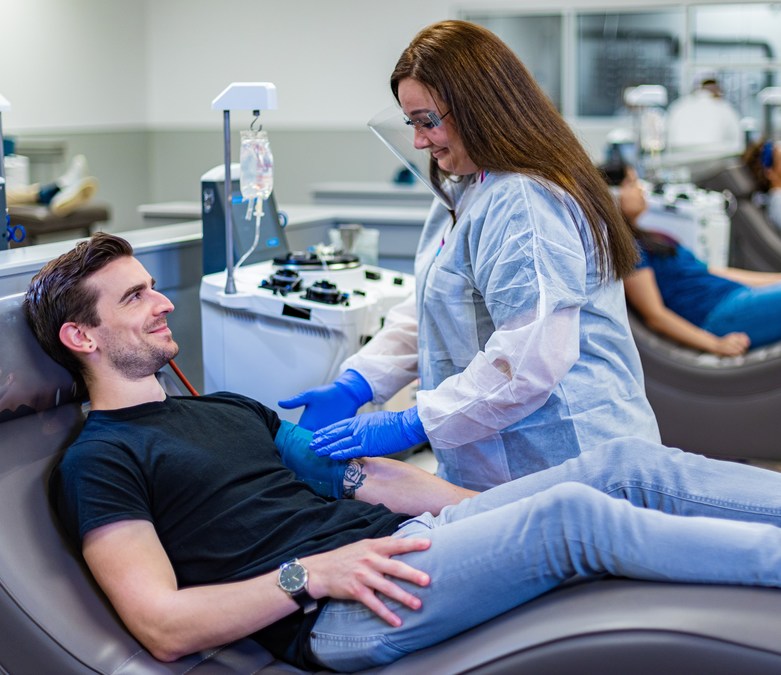
Once approved, donors are seated in specialized collection chairs. A small needle is placed in the arm, and blood flows into a machine that separates plasma from red blood cells. The red blood cells are returned to the body along with saline to help maintain hydration. Most donations take around one hour after the initial screening.
The process is designed to leave donors feeling well enough to continue with their day. Many people read, listen to music, watch videos, or simply relax while the machine does its work. This blend of routine and meaningful impact is what keeps donors returning.
Safety Standards That Shape the Industry
Plasma donation is highly regulated at every stage. Centers must follow strict national and international guidelines regarding sanitation, equipment, screening procedures, and product handling. These rules protect donors and ensure that plasma-derived treatments remain effective and safe. Every donation undergoes testing for pathogens, and centers maintain detailed protocols that cover everything from staff training to emergency procedures.
This high level of oversight is one reason many donors feel comfortable returning regularly. Even first-time visitors often comment on how clean and organized the facilities are. For those researching a plasma center in NJ or nearby areas, reviews typically highlight professionalism and transparency as key strengths.
The Role of Technology in Modern Donation Centers
Technology has transformed the way plasma donation centers operate. Collection machines are more efficient, health tablets expedite check-ins, and electronic medical systems streamline recordkeeping. These changes reduce wait times and improve the donor experience.
Some centers now offer online scheduling tools that help donors plan around their daily routines. Automated reminders, digital questionnaires, and loyalty programs further enhance convenience. For donors who want a predictable and smooth experience, these systems make a significant difference.
A Growing Need That Shows No Signs of Slowing
One of the most important reasons plasma donation centers are gaining visibility is the rising global demand for plasma-based therapies. Many of these therapies require large volumes of plasma, sometimes from hundreds of donors, to treat a single patient. With chronic conditions becoming more commonly diagnosed and populations continuing to age, plasma remains a critical resource.
While advancements in biotechnology are exploring synthetic alternatives, there is currently no lab-made substitute that can replicate human plasma proteins. This means the world will continue to rely on volunteer donors for the foreseeable future.
How Donation Centers Support Local Communities
Beyond their medical importance, plasma centers bring practical benefits to the communities they serve. They create jobs for medical professionals, administrative staff, and support teams. They attract donors who then shop, eat, and contribute to local businesses nearby. Their presence strengthens the local healthcare infrastructure and provides opportunities for public health collaboration.
For donors, there is also a sense of belonging. Many describe the experience as something that fits naturally into their routine. They see familiar staff, meet other donors, and feel connected to a larger mission. It becomes a consistent and meaningful part of their lives.
Why Donors Continue to Return
People who donate plasma regularly often mention the same reasons they keep returning. They appreciate having a direct way to help others. They enjoy the structured environment and the sense of contribution. They value the predictability, the compensation, and the chance to make a positive impact without a large time commitment.
Most importantly, donors understand that they are helping patients whose lives depend on therapies created from their plasma. This knowledge creates a sense of purpose that few other activities can replicate.
Looking Ahead at the Future of Plasma Donation
As awareness continues to grow, plasma donation centers will likely play an even larger role in healthcare. Improvements in efficiency, donor comfort, and public education will attract more people to participate. Communities will continue to benefit from increased accessibility, and patients will gain improved access to the treatments they rely on.
Plasma donation may not always be in the spotlight, but its importance is undeniable. It represents a simple act with profound effects, carried out one donor at a time, across thousands of centers nationwide. Whether someone donates once or becomes a long-term participant, each contribution supports a vital chain of care that stretches far beyond the walls of the center.
In a world where medical needs continue to evolve, plasma donation stands out as a quiet yet powerful way to make a difference. For many donors, that sense of connection and purpose is exactly what keeps them coming back.
